Vietnam Laos Sri Lanka India Australia
Art, Food & Culture Experiences with Anna Barnes
artist, chef & anthropologist
Books Open
⋆
Books Open ⋆
SRI LANKA
Anna's Art, Food & Culture Experience
Sri Lanka
Central Highlands & South Coast
Negombo, Sigiriya, Kandy, Nuwara Eliya, Udawalawe, Galle Fort & Colombo
November 15 -24th, 2027
-

Art
Studio artists, writers, photographers, designers, chefs, textile artisans and visual storytellers are all welcome
Non-creatives are equally supported, held within the structure of the journey and the care of experienced local hosts
There is no hierarchy of skill — only depth of engagement
Creative sessions remain fluid, shaped by place, light and cultural context, allowing each practice to unfold naturally
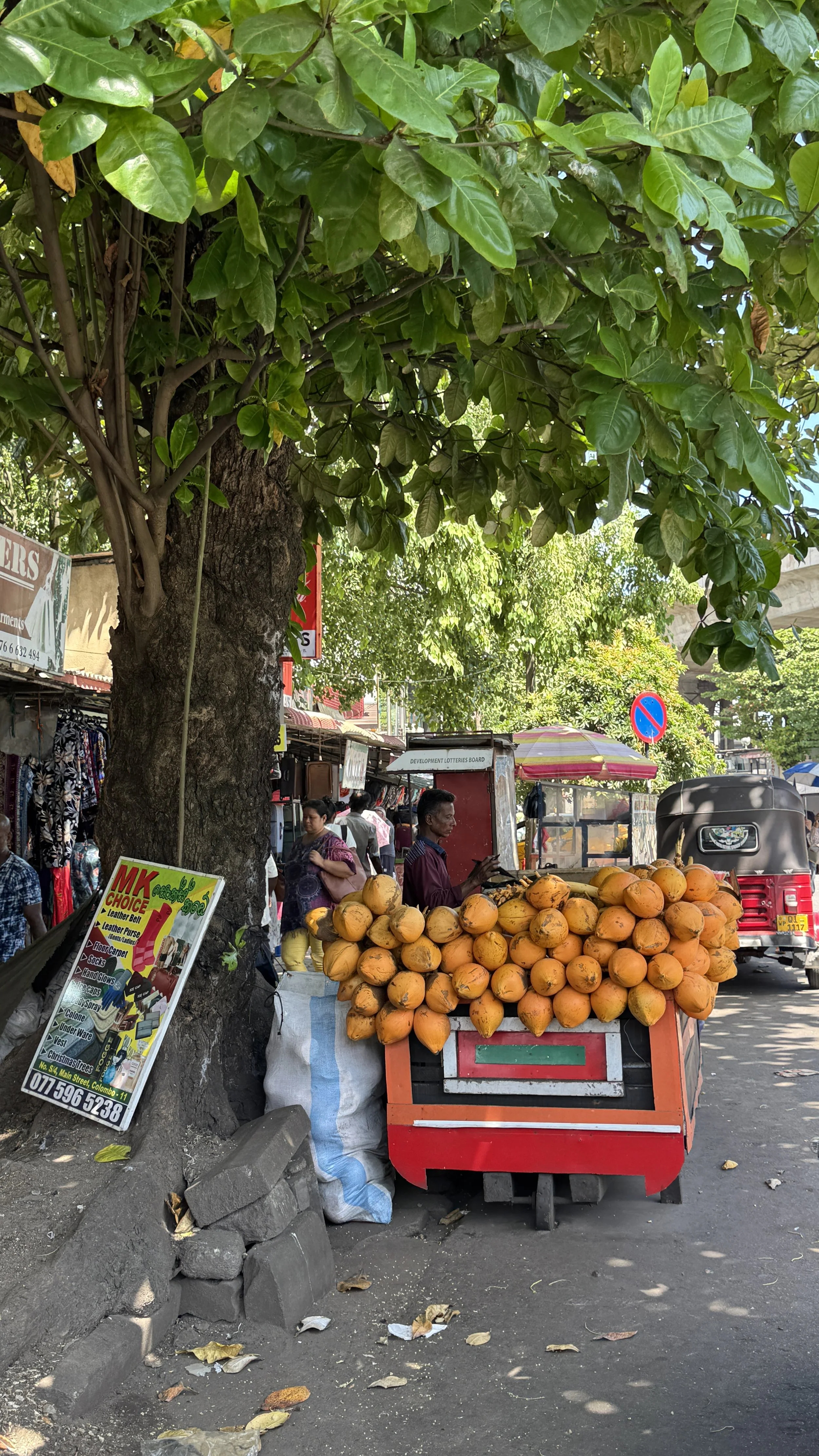
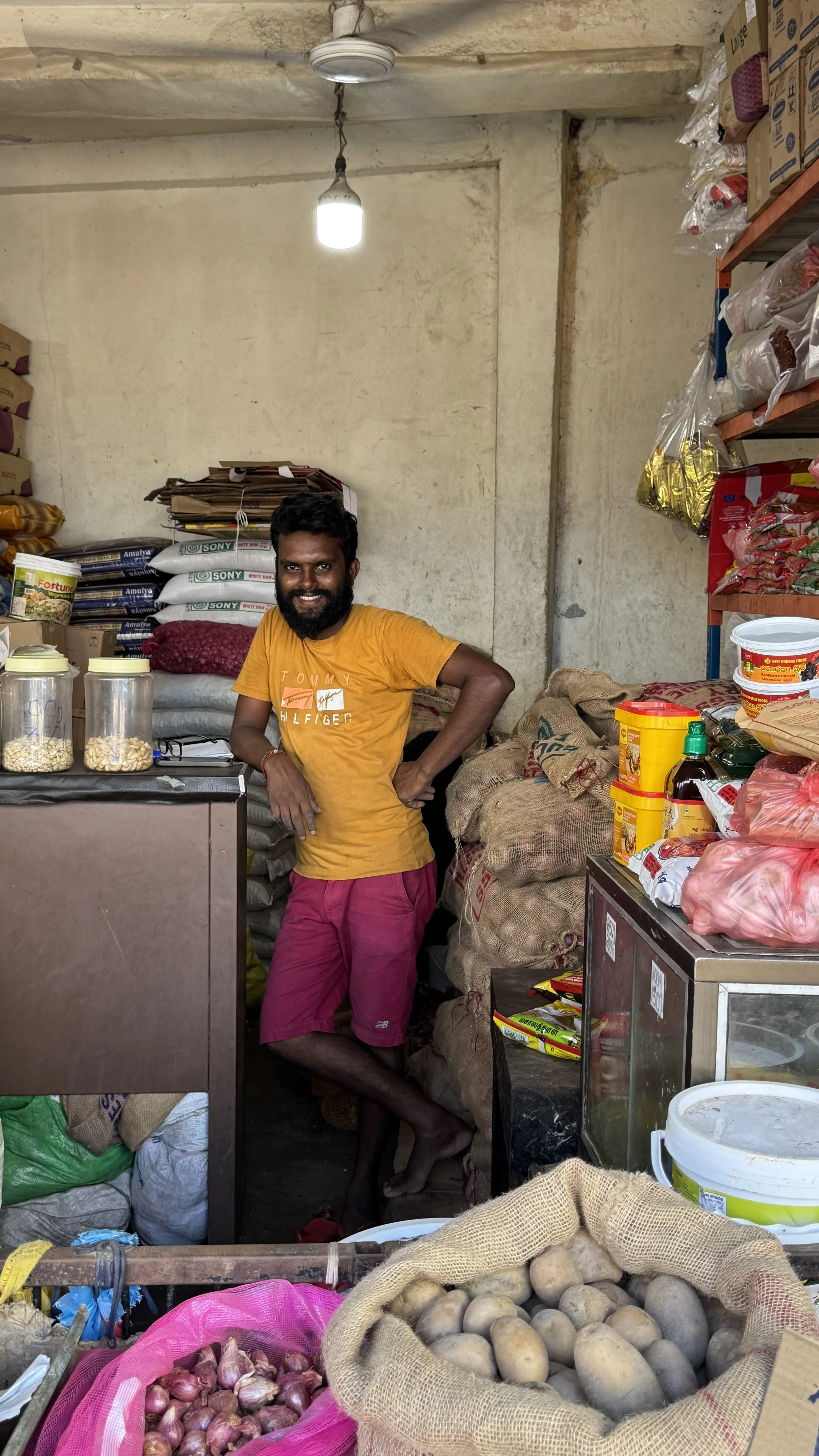
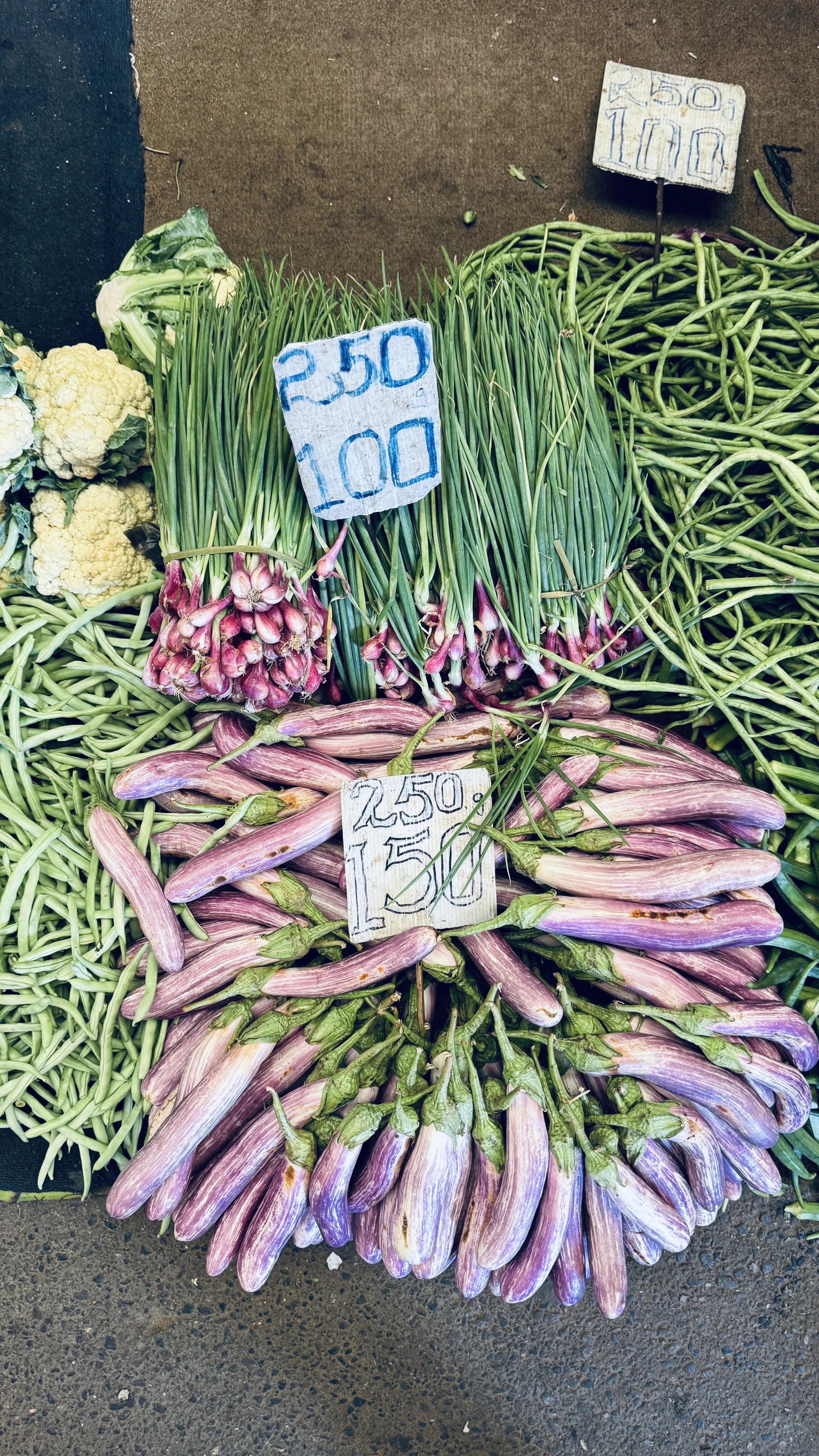
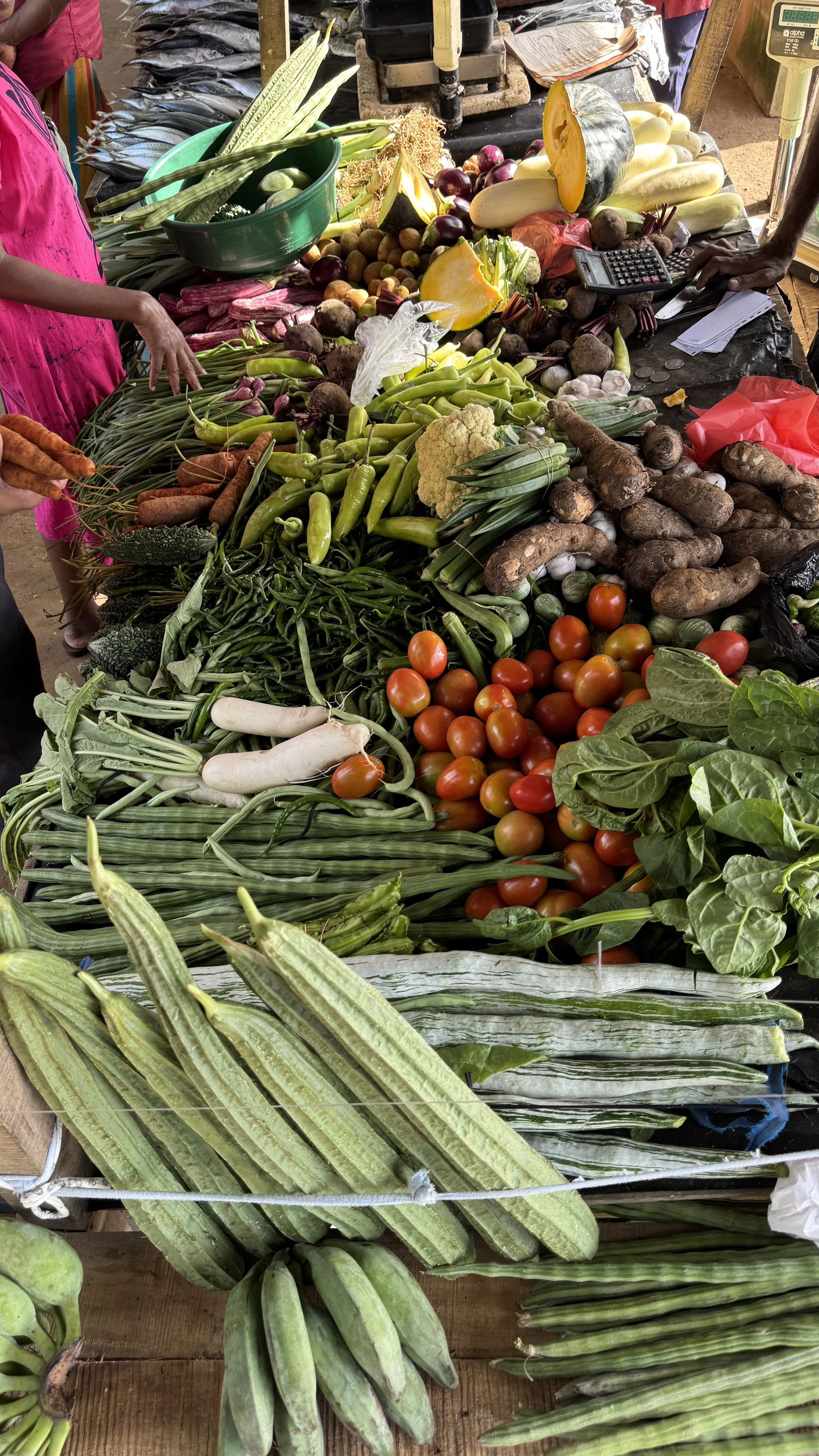
Market tours with time to savour and observe
Visits into local villages and family homes with Anna
Encounters with traditional artisans, weaving and textile practices
Early morning explorations to capture light, atmosphere and everyday life
Visits to galleries and museums for deeper cultural context
Contemporary art and galleries
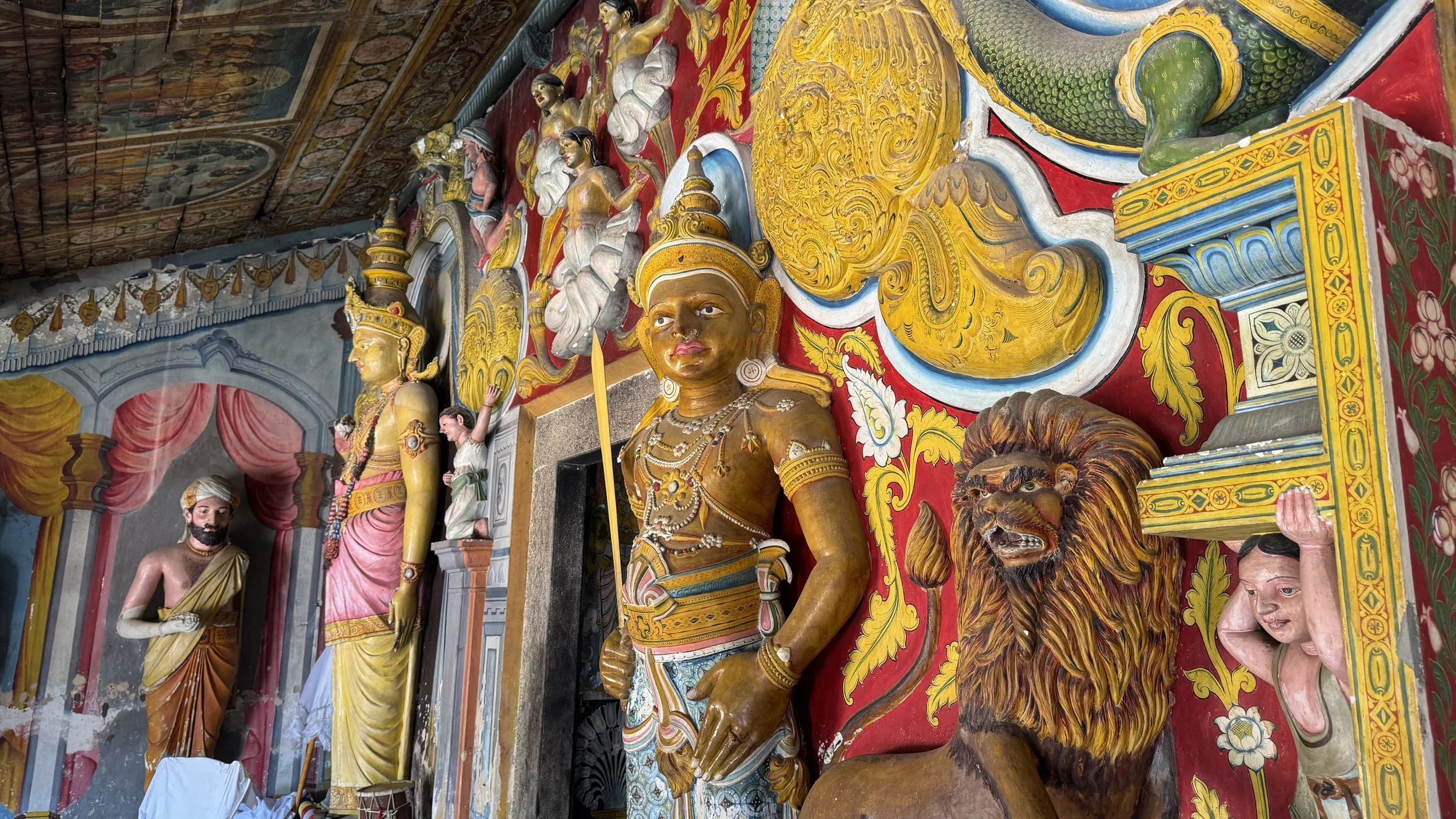
Temple art and sacred spaces
Handloom weaving traditions
Thimble Arts & Crafts workshop
Artisan workshops and studios
Textile heritage
Colonial and vernacular architecture
Tea, spice and food culture
Markets and everyday life
Book Club and reading lists
Playlists and movies
-
Food
Local food
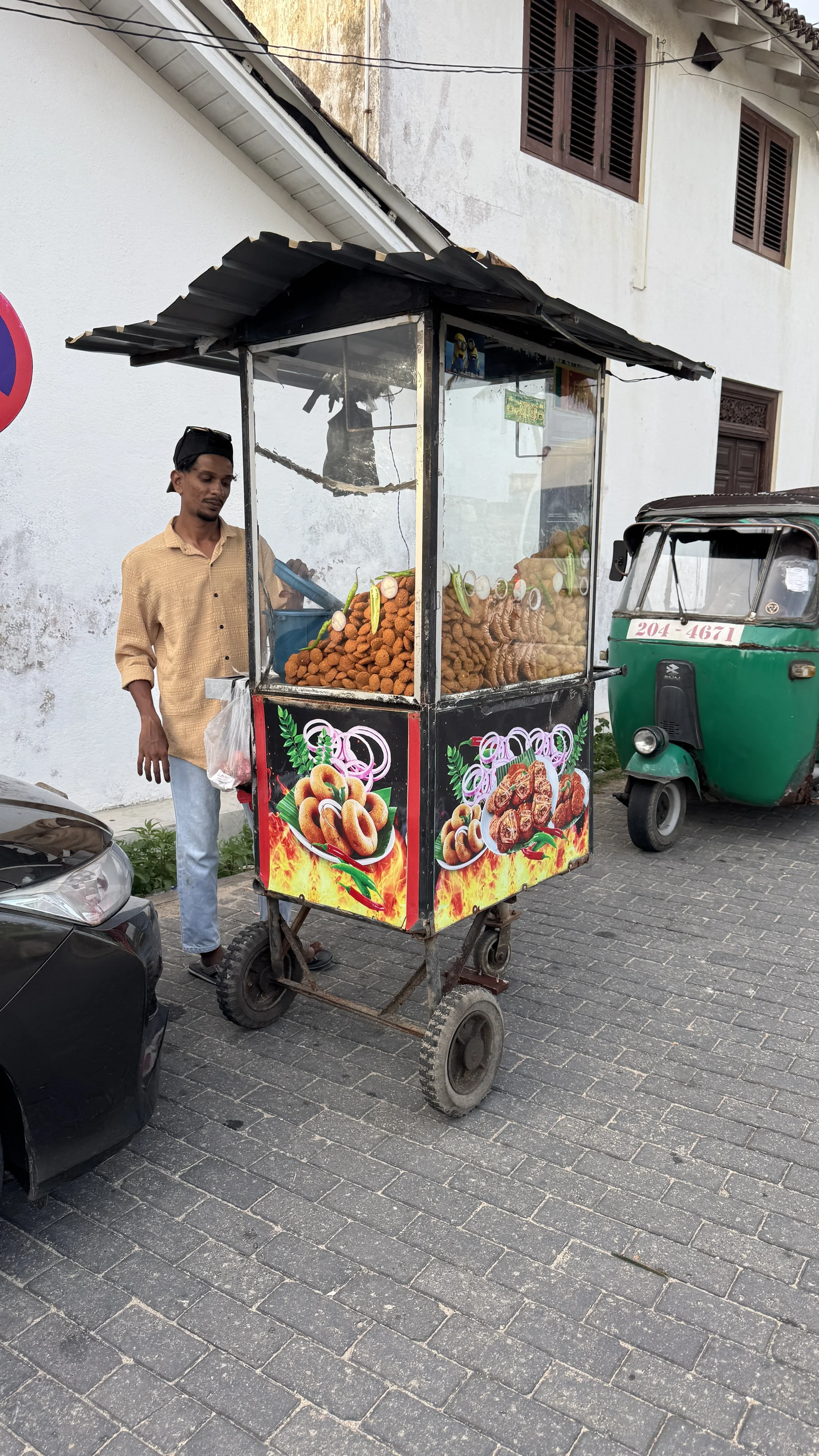
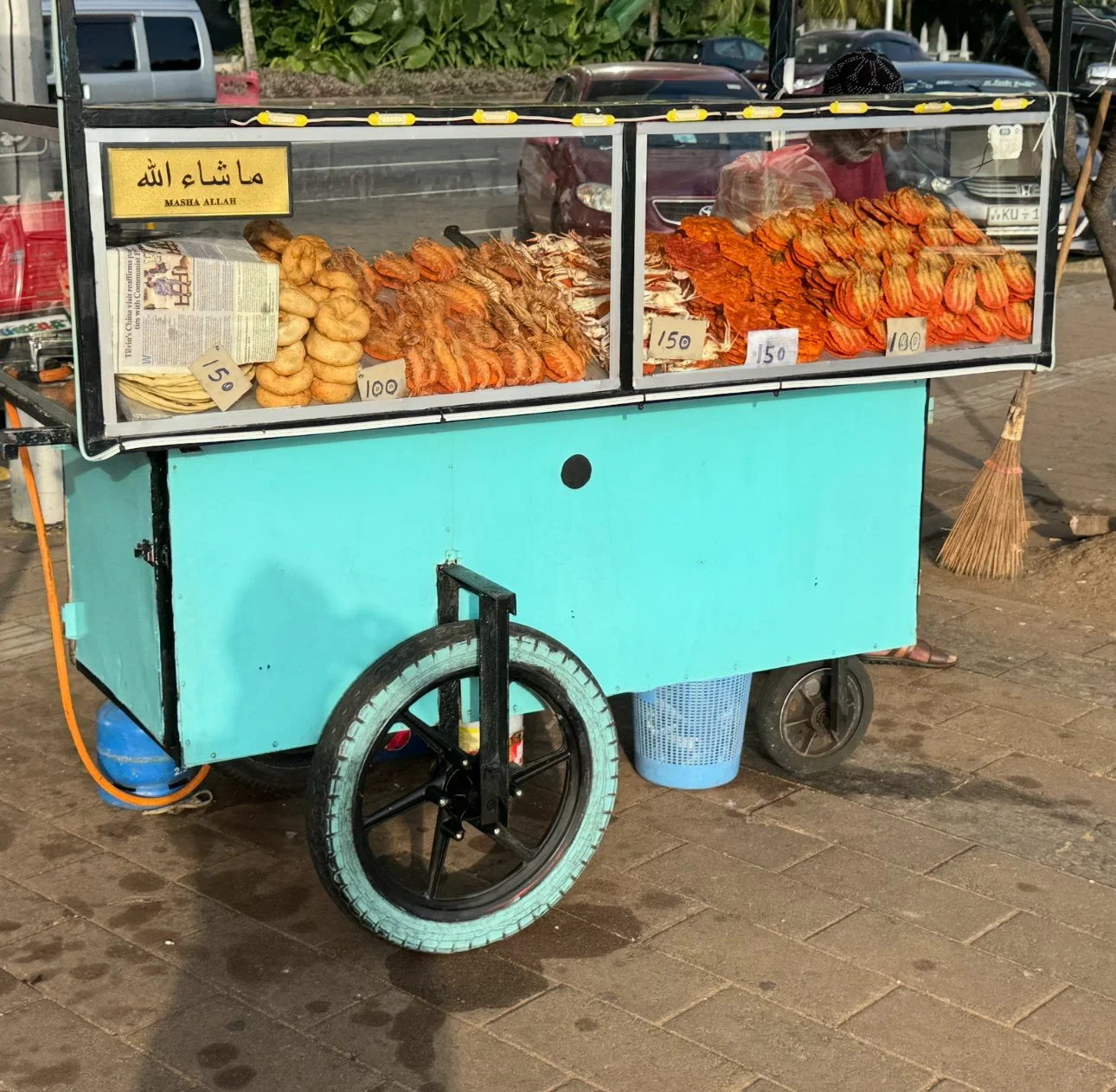
Safe and fun street foods
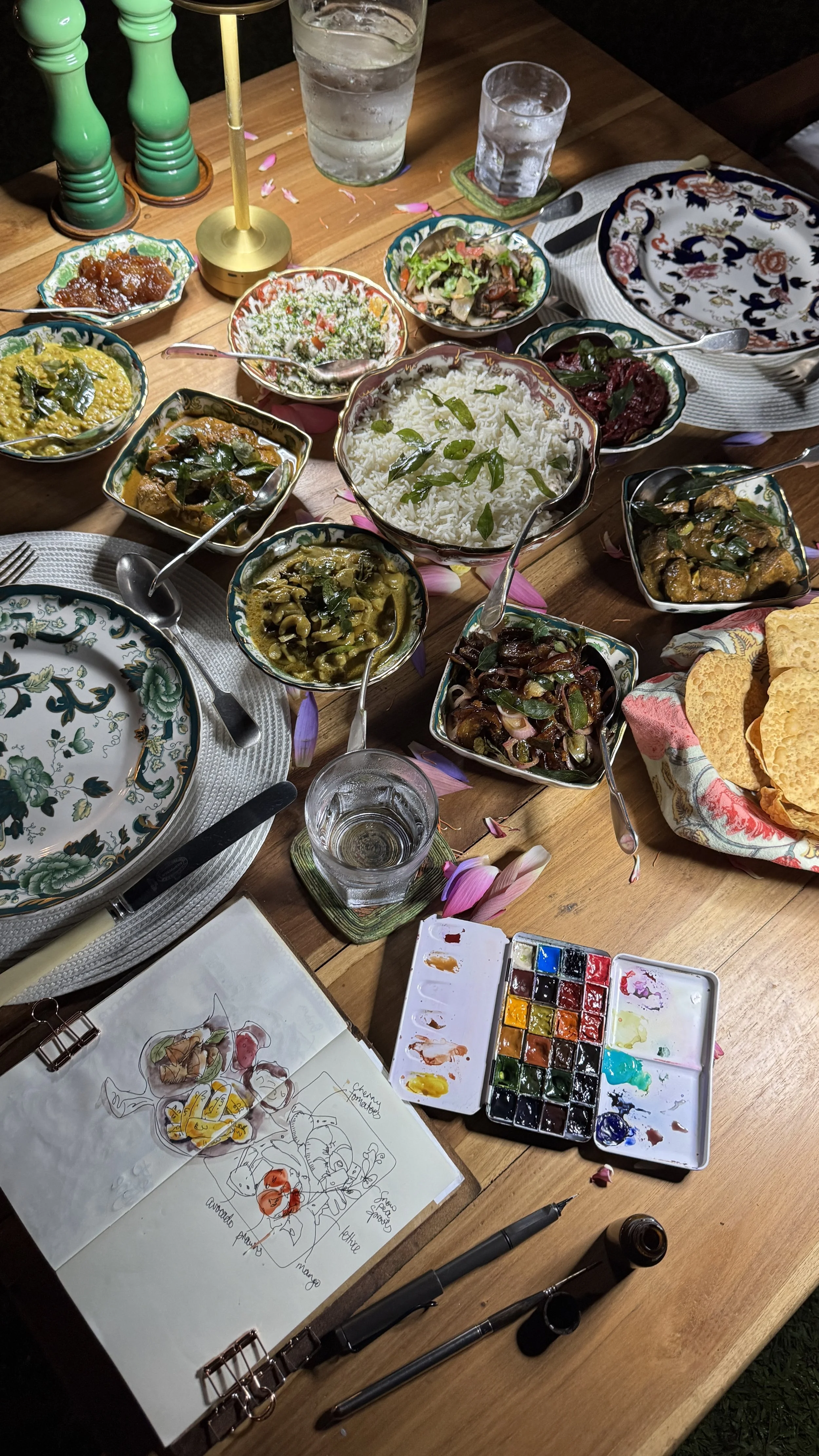
Learn about the traditions of Southern Sri Lankan gastronomy
Cooking class and market visit with our chef
Break bread with locals
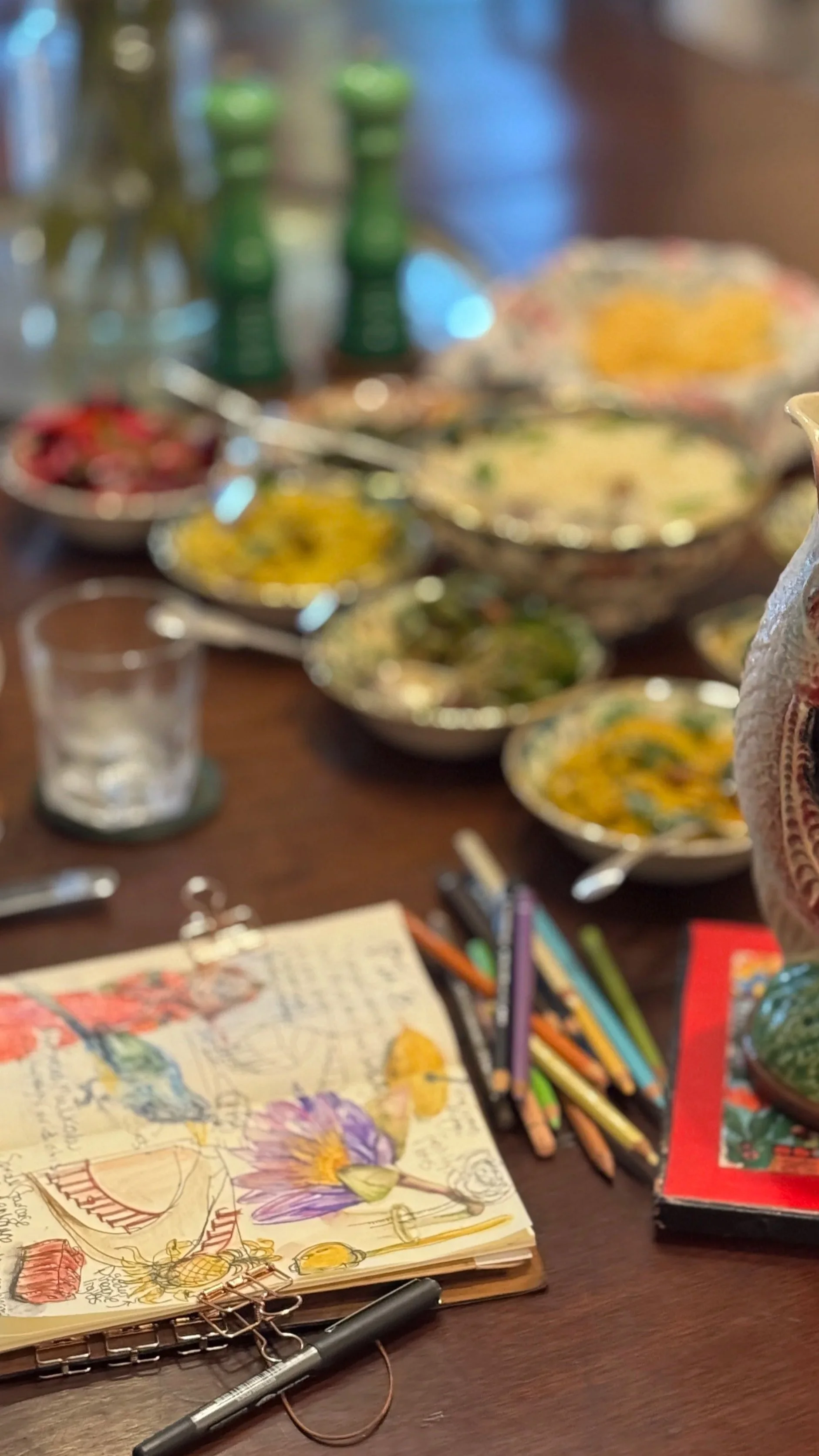
Sketch food filming content creating and food photography friendly
Cooking demos by Anna and friends
Write recipes and keep a journal
In house Michelin trained local chef
Sober friendly no alcohol based activities
Gluten free vegan halal kosher wholefoods and wellness diets available
Hoppers and egg hoppers at local breakfast tables
Kottu roti cooked fresh on night street grills
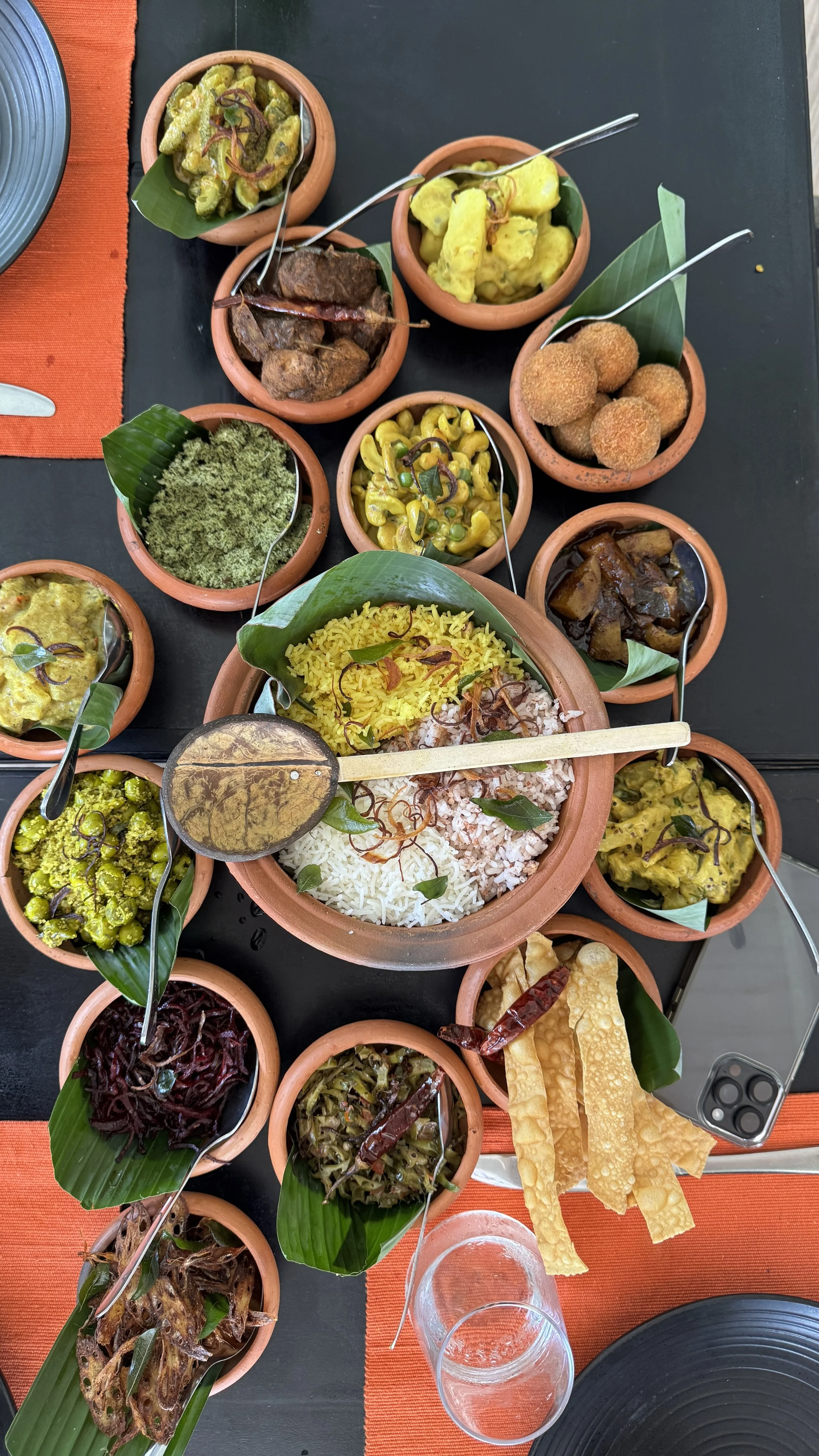
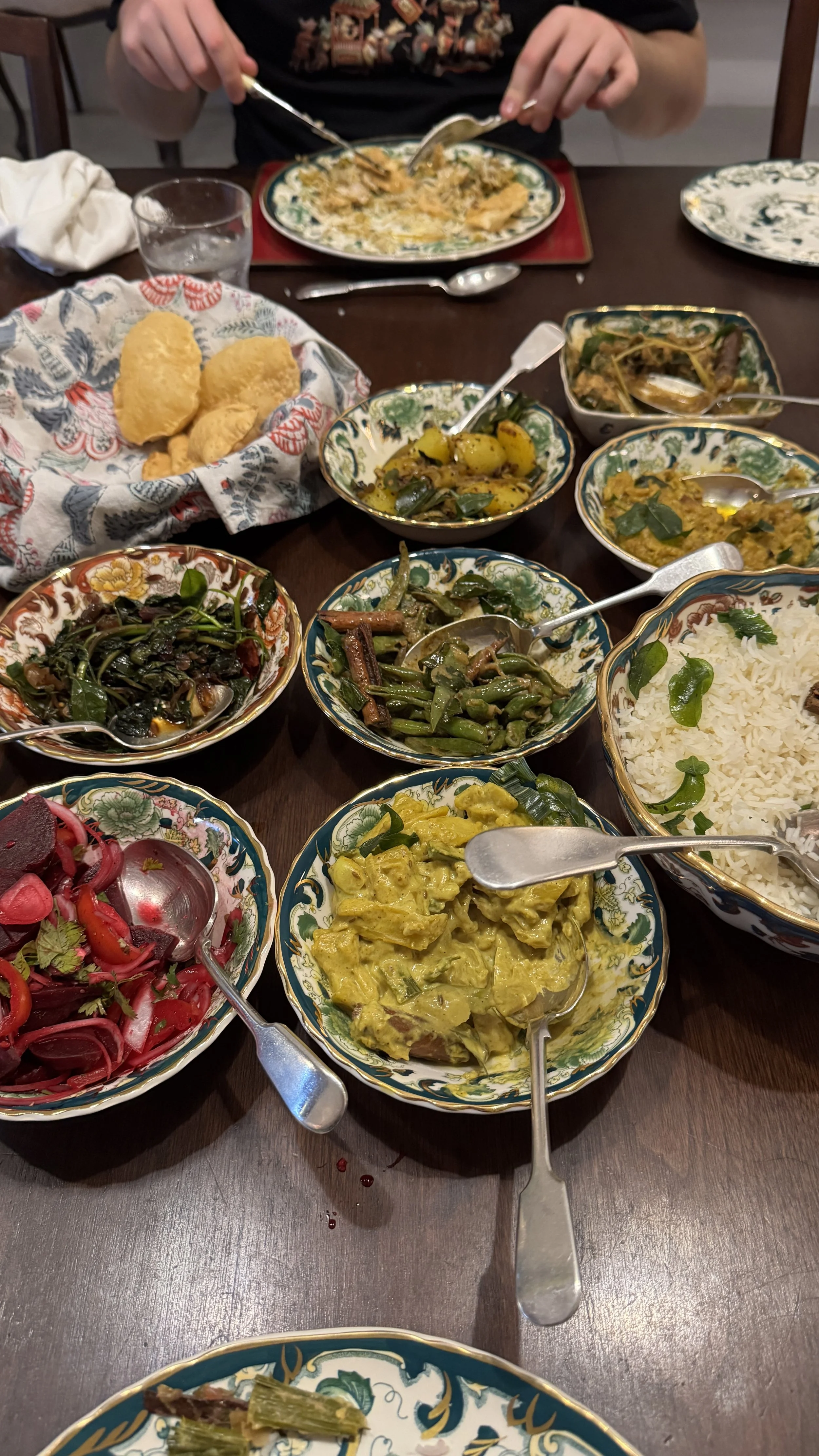
Rice and curry with multiple seasonal vegetable dishes
Pol sambol and coconut based condiments
Freshly caught lagoon crab curry in the south coast
Coconut sambol grinding and spice blending experiences
Ceylon tea tastings in the hill country estates
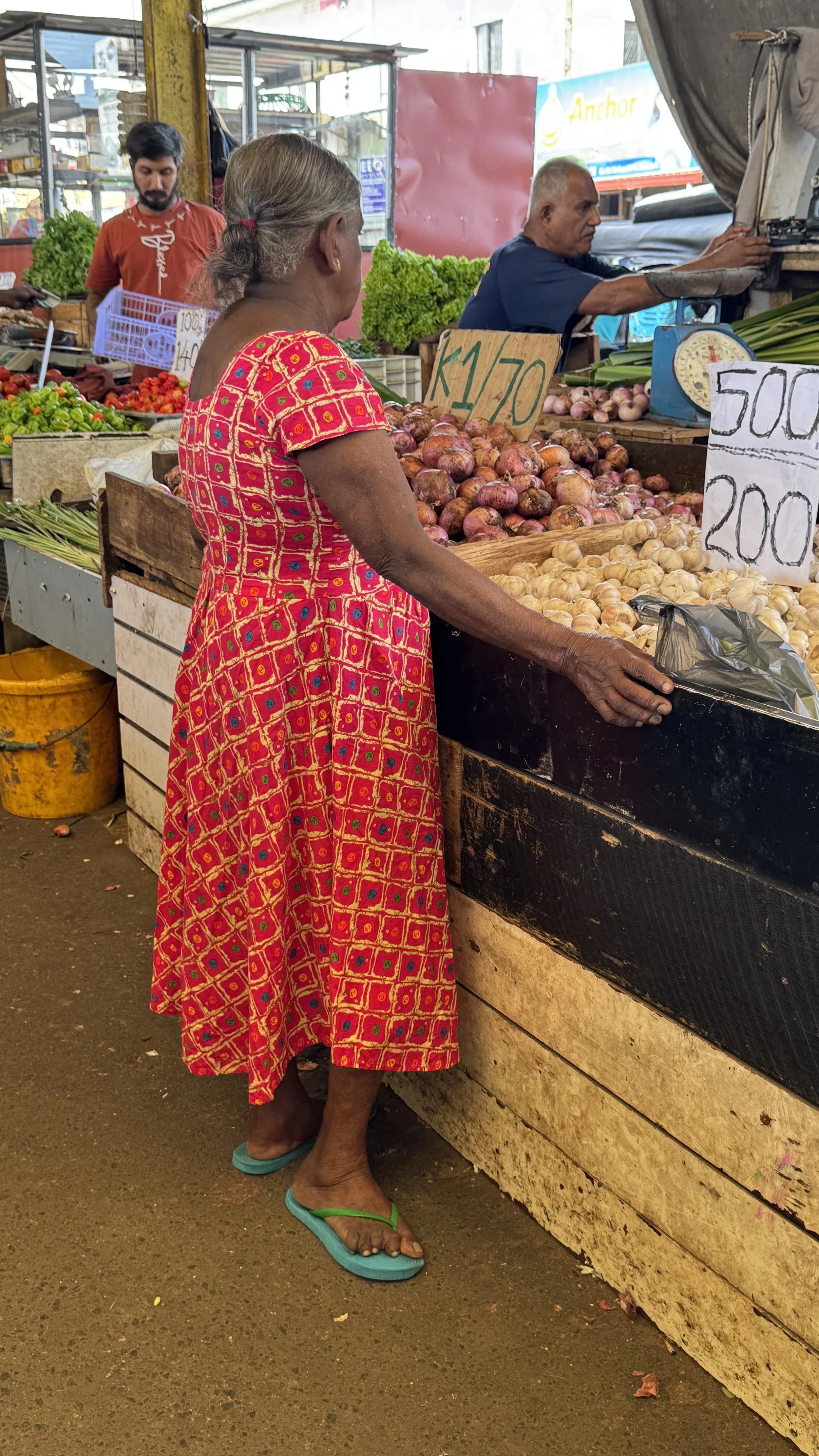
Market visits in Kandy and Galle for spices and produce
Traditional home cooked village meals shared with families
Clay pot cooking class with a local host
Jaggery and treacle sweets from rural kitchens
-

Culture
Ethical travel
Sustainable locally operated luxury
Small group maximum eight guests
Family home visits
Temples safaris and artisan ateliers
Meet Anna’s friends and local collaborators
Market vendor interactions and daily life exchanges
Indigenous farming and secret garden visits
Buddhist temple rituals and lived spiritual practices
Coastal fishing village life and harbour culture
Tea estate worker communities and plantation heritage
Colonial history walks through forts and old trading towns
Traditional dance music and drumming performances
Storytelling sessions with elders and local historians
Craft lineage learning with master artisans
Home cooking traditions across regions and families
Religious festivals and seasonal cultural celebrations
Language exchange and everyday conversational Sinhala moments
Yoga massage and Ayurvedic wellness staff on hand
LGBTQIA+ safe space and inclusive environment
Private WhatsApp support throughout the trip
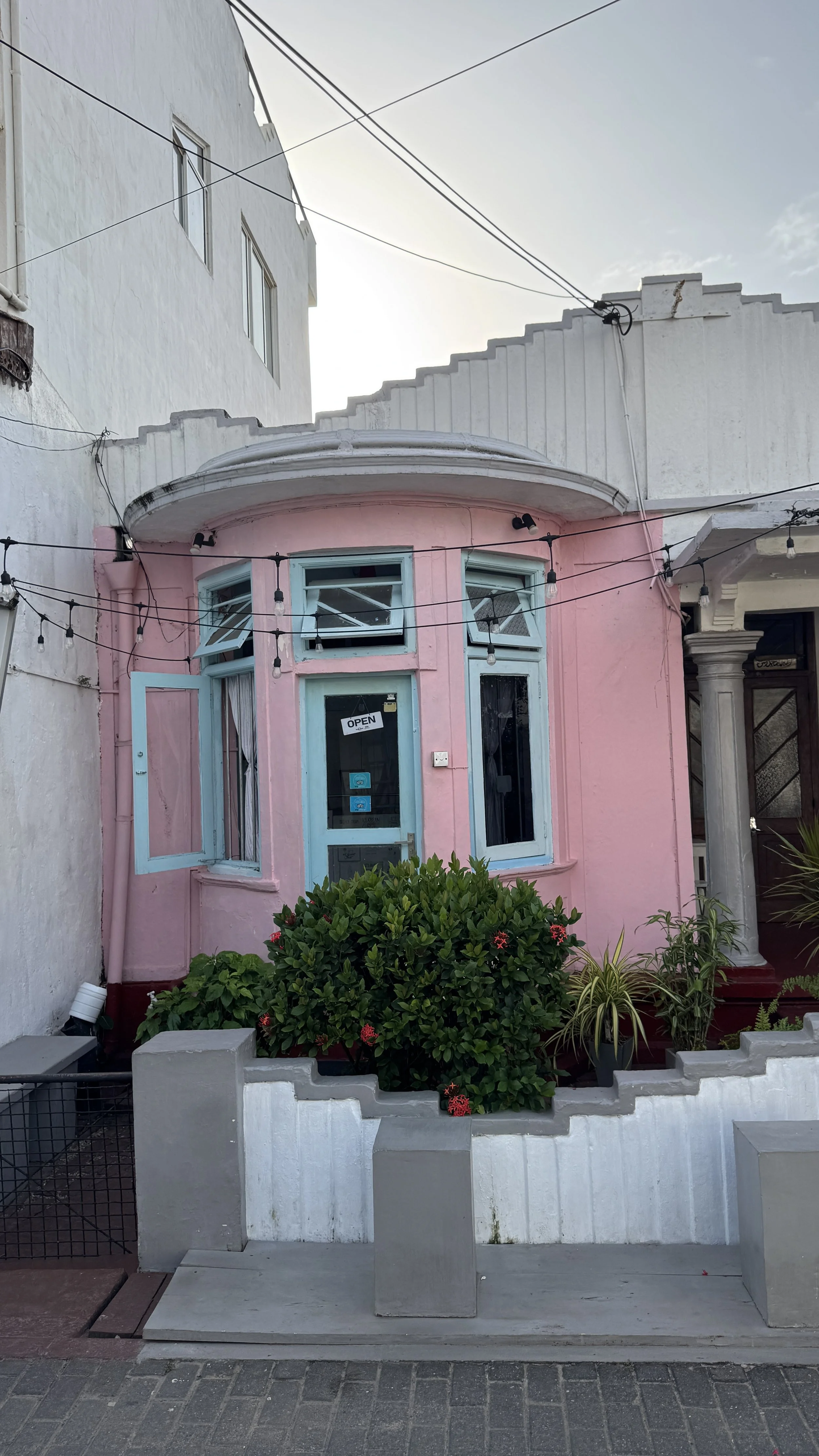
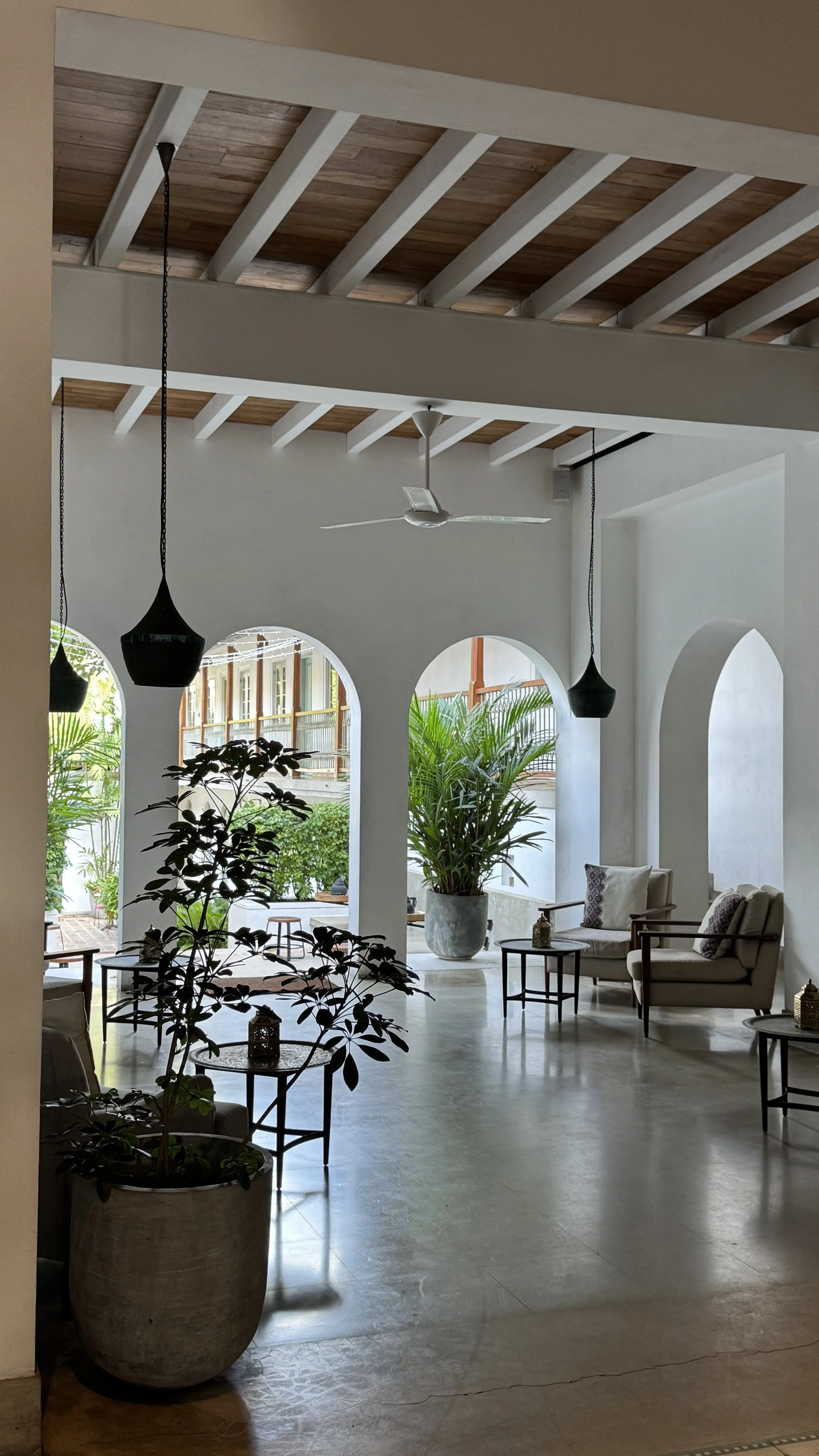
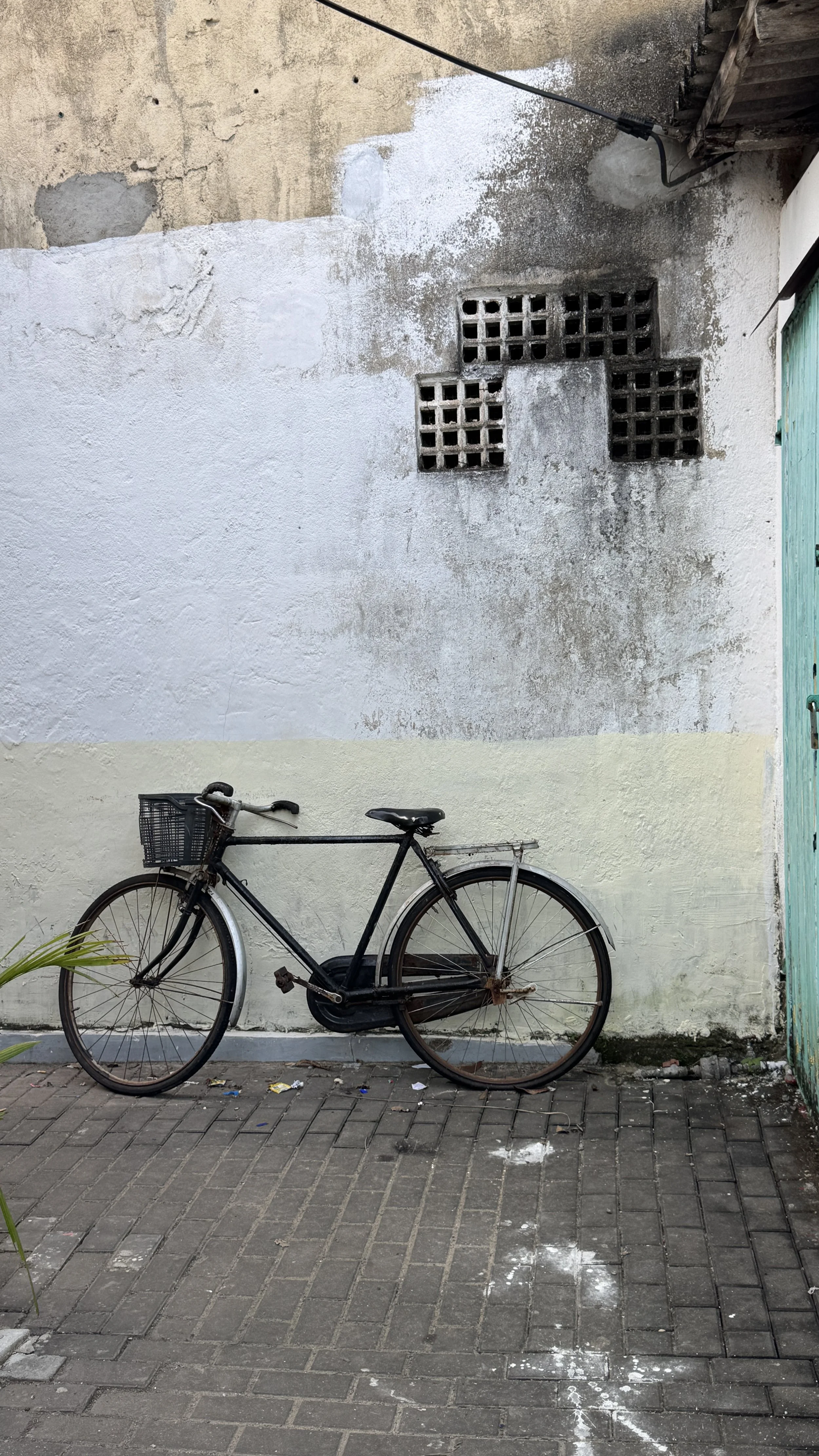
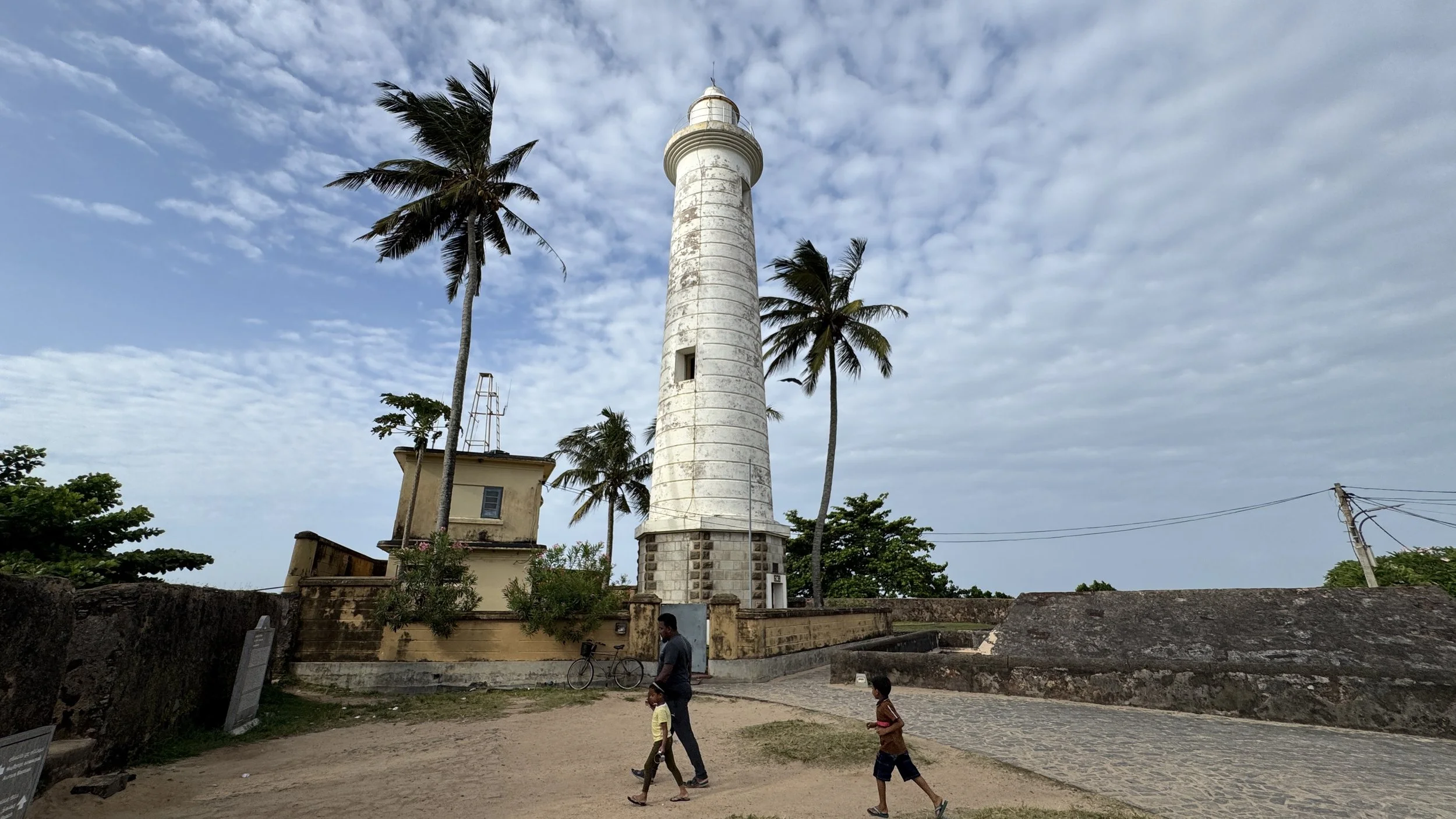
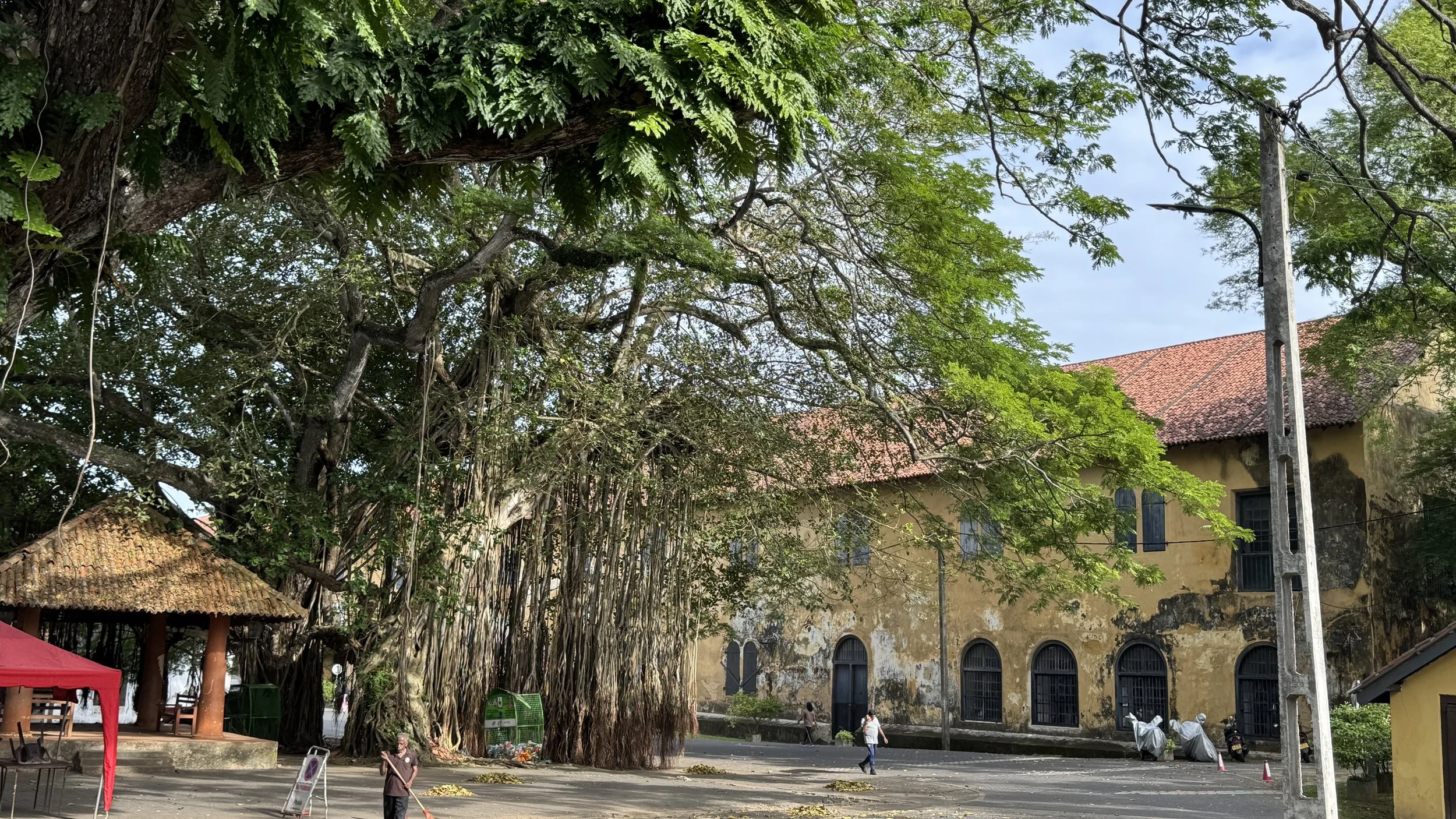
Galle Fort
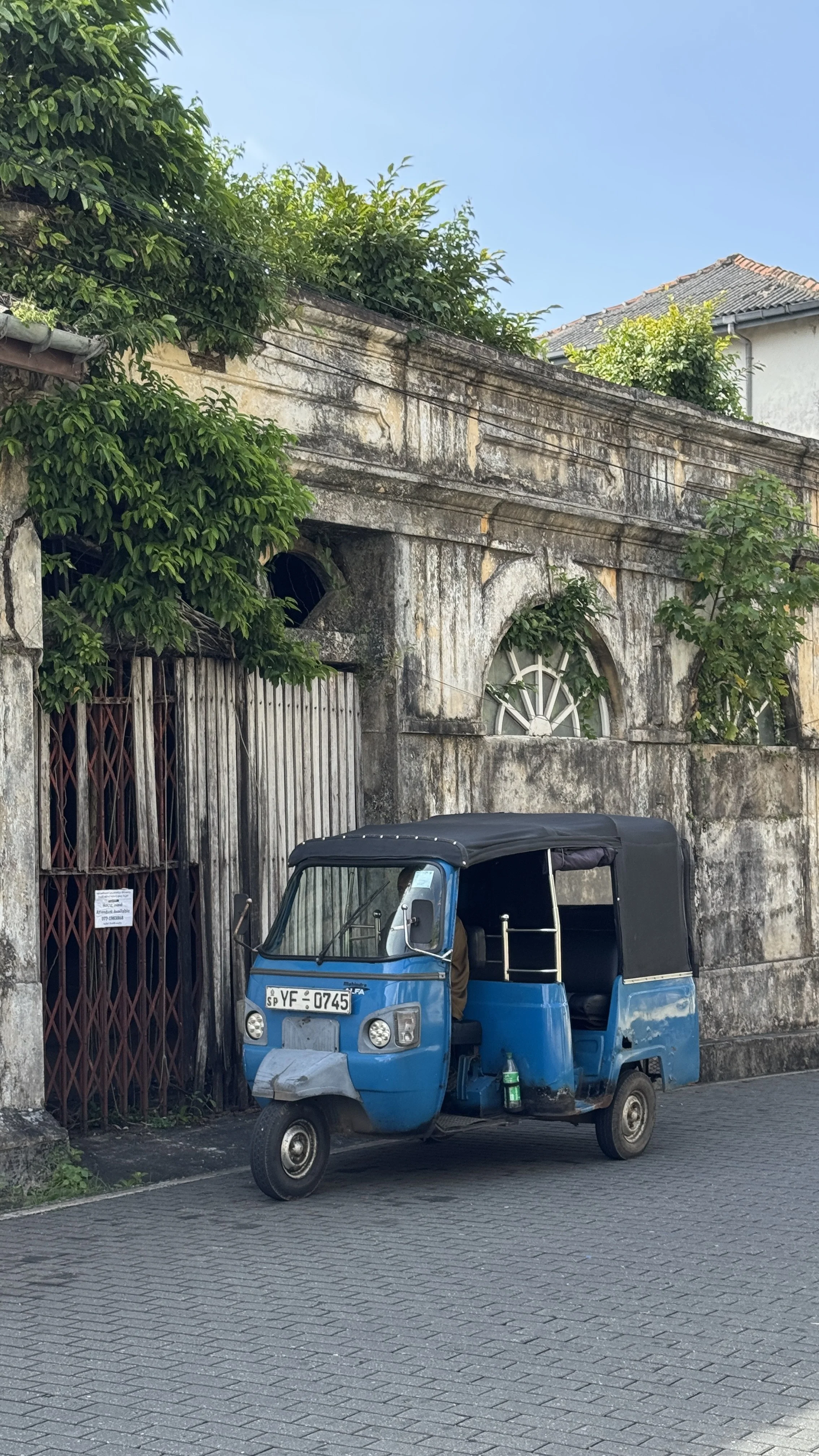
Galle Fort's history is rooted in its strategic location as a major trading port since ancient times, later fortified by the Portuguese and extensively developed by the Dutch, who made it a key hub for the lucrative spice trade.

Embrace the stories of traders and explorers who traversed these routes, and found inspiration in the landscapes that shaped global connections for centuries.
-
9 nights in locally owned boutique hotels
Negombo x 1
Sigiriya x 1
Kandy x 2
Nuwara Eliya x 2
Udawalawe National Park (day visit)
Galle Fort x 3
Return to Colombo for departure on last day)
-
Small group of 8
9 nights accommodation
Fully hosted by Anna Barnes of Art Food Culture - Chef, Artist & Anthropologist.
9 breakfasts
9 lunches
8 dinners
Sri Lankan (and English speaking) Licensed International Guide on all outings
Private licensed, insured, air conditioned van trips with our dedicated driver
Northern & Cultural Heartlands
Negombo Fish Market
Thimble Arts & Crafts workshop
Dambulla Cave Temple
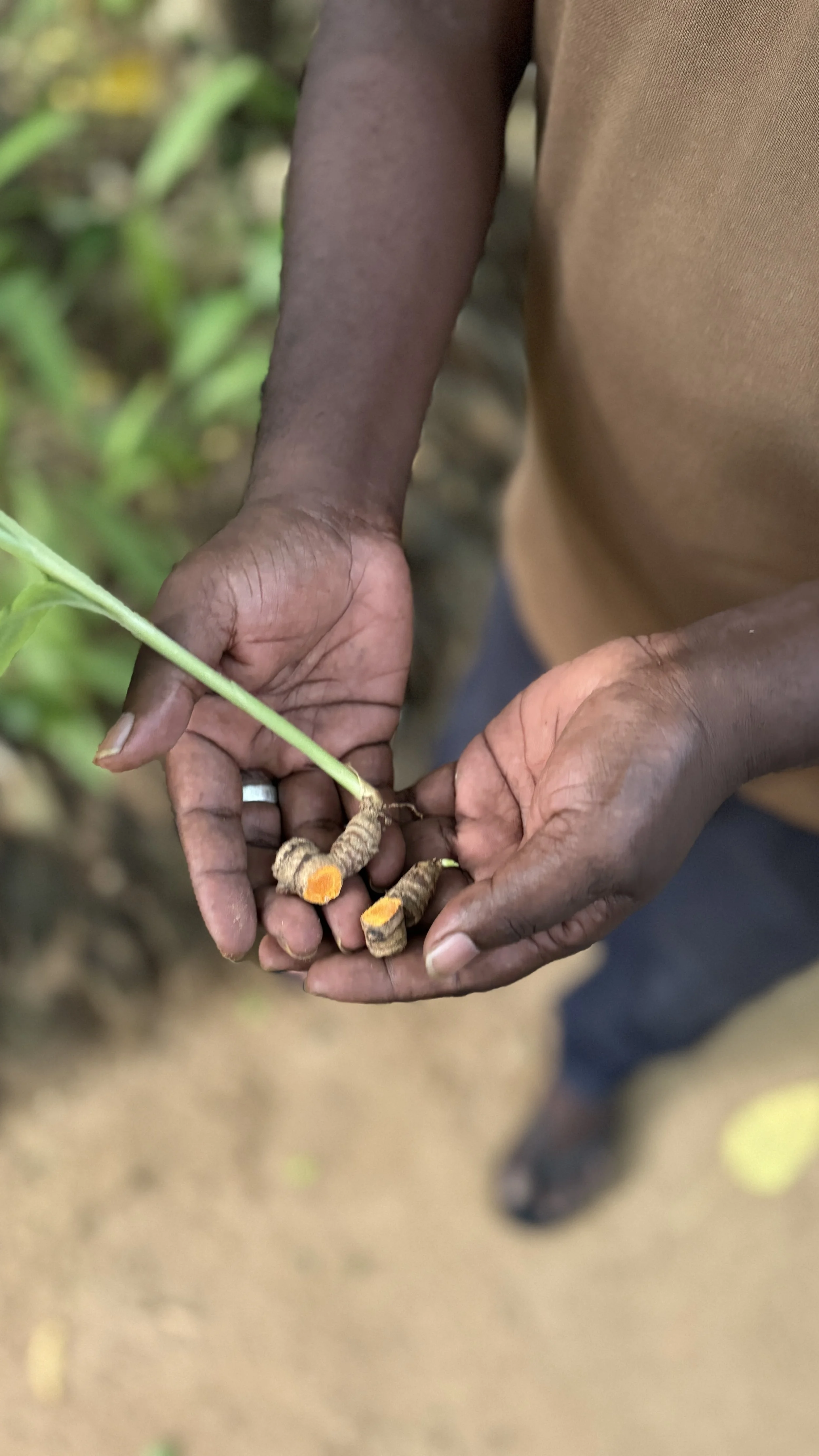
Matale Spice Village Walk
Clay Pot Local cooking experience
Weavers of the Kandyan Kings – Dumbara weaving traditions
Kandy Spice Market
Temple of the ToothHill Country
Scenic train journey from Kandy to Nanu Oya
Meander Through Memories – A Tale of Tea
Explore Nuwara Eliya with a local guide
Lunch at Craft TunnelSouthern Wildlife & Coast
Udawalawe National Park Safari
Mirissa Harbour
Weligama Fish MarketGalle & Southern Living Culture
Faces of Galle walking experience with Shanjei
Carrom, Crab Curry & Chit-Chats with a local familyDrinking Water will be made available. Please bring your own stainless steel refillable bottle. Say NO to straws and single use plastic
Transfers to and from airport directly to the hotel with the group on the first and last morning of the trip
-
International airfares
Visas
Travel insurance
Beverages- alcohol and imported soft drinks
Extra activities and tours organised in your free time (at your own cost)
Personal expenses, laundry, minibar, tips, extra nights accomodation etc.
Tips and gratuities
Anything not mentioned in the Included list
-
The closest airport to our starting point is Bandaranaike International Airport, Colombo.
Airport code for Bandaranaike International Airport is CMB.
Our Experience begins at 4pm on the first day advertised in Negombo, Sri Lanka
Please ensure that you have arranged your airline tickets so you arrive with plenty of time to meet us for our opening night.
The Experience ends early afternoon (checkout from Villa is 10am) on the last day advertised. We transfer directly from the Villa to Colombo airport, or to a centrally located hotel you have booked (should your flight not be leaving on the last day). We can help with this.
If you need help organising your transport from your home town to Sri Lanka please email or call Anna. We provide travel agents details to help you navigate the details, or take care of everything for you.
Onward travel and additions to your itinerary can be organised for you. Please get in touch should you wish to explore other areas of Sri Lanka.
-
All Prices in AUD (Australian Dollars).
Solo - Private Room & Ensuite AUD $7300 (approx USD$4900)
Twin - Private Room & Ensuite AUD $7100 (when booking two places at the same time twin/double bed).AUD $1500
Non refundable deposit required to reserve your spot. (Fully refunded if ArtFoodCulture cancels the trip).
Final payment of balance via our preferred payment provider WISE, your preferred bank direct transfer (EFT) or Credit Card.
We will send payment details and confirmation before due date.
Currencies fluctuate constantly. Please see your preferred currency conversion app for more accurate estimates.
Balance due 120 days before commencement date.
We will email you (not less than) 120 days before departure date to confirm trip viability.
-
This itinerary is thoughtfully designed for discerning travellers who appreciate immersive cultural exploration at a consistent, unhurried, yet active pace.
Each day involves extended periods on foot — typically three to four hours — as we move through historic quarters, living neighbourhoods, architectural sites, markets, and landscapes where texture, scale, and detail are best experienced slowly and on the ground. Terrain may include uneven stone pathways, gentle inclines, staircases, and heritage environments that retain their original character.
Travel between locations may include local transport and occasional transitions that require ease with boarding and disembarking, as well as accommodation that reflects the authenticity of place rather than uniformity of modern hotel design.
This journey is best suited to travellers with confident mobility, a comfortable level of fitness, and an enjoyment of sustained daily movement as part of cultural engagement rather than physical exertion.
The rhythm of the experience is intentional and fluid, allowing for depth of observation and connection. It is not designed for a leisurely or intermittent pace, but for those who find pleasure in being continuously present within a place — walking, noticing, and absorbing its layers in real time.

Markets, Commerce & Villages

Discover the rich cultural landscapes shaped by the historic Spice Routes, the vast networks of maritime and overland exchange that connected Asia, the Middle East, Africa and Europe for centuries. More than pathways for valuable commodities, these routes enabled the movement of people, knowledge, technologies, beliefs, artistic traditions and culinary practices, creating complex and enduring connections between diverse societies.
This journey explores regions that played significant roles within these networks, examining how trade, migration and cultural exchange have influenced local identities across generations. Through encounters with communities, artisans, food traditions and living cultural practices, we seek to understand history through multiple perspectives, recognising that the story of the Spice Routes extends far beyond merchants, empires and colonial records.
Central to our approach is an appreciation for the decolonisation of storytelling—creating space for local voices, lived experiences and community knowledge to sit alongside established historical narratives. By engaging with people whose cultural traditions continue to shape these regions today, we gain a deeper understanding of the resilience, creativity and interconnectedness that have characterised the Spice Routes for centuries. Rather than viewing these routes solely as channels of commerce, we explore them as dynamic cultural corridors whose legacies remain visible in everyday life, food, language, craft and memory.
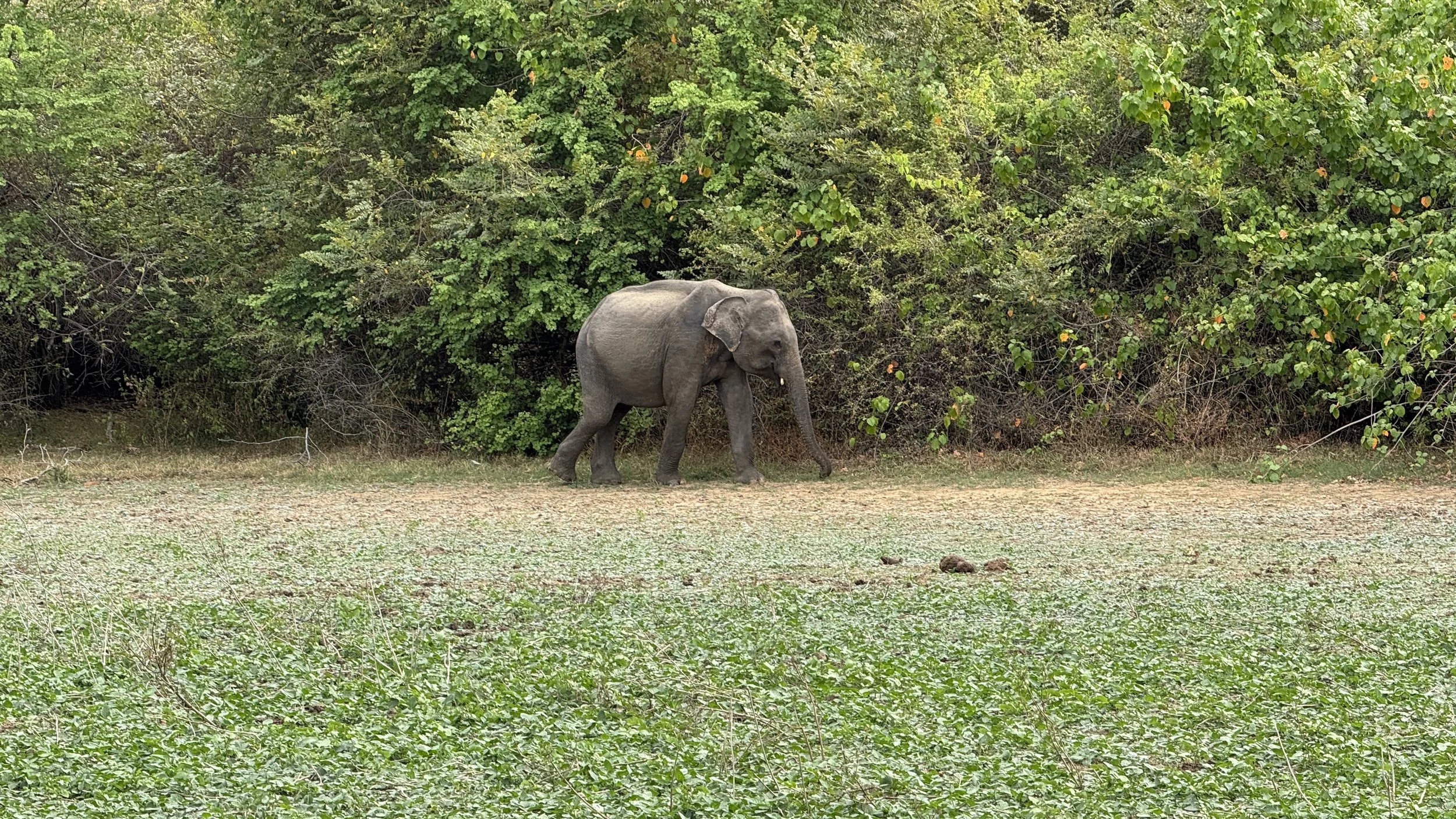
Udawalawe National Park
With our experienced senior guides and three private vehicles, our small group of eight will enjoy a comfortable and personalised safari in Udawalawe National Park. You'll explore the beautiful landscape and spot free-ranging elephants, buffalo, crocodiles, and a variety of birds, lizards, and insects.
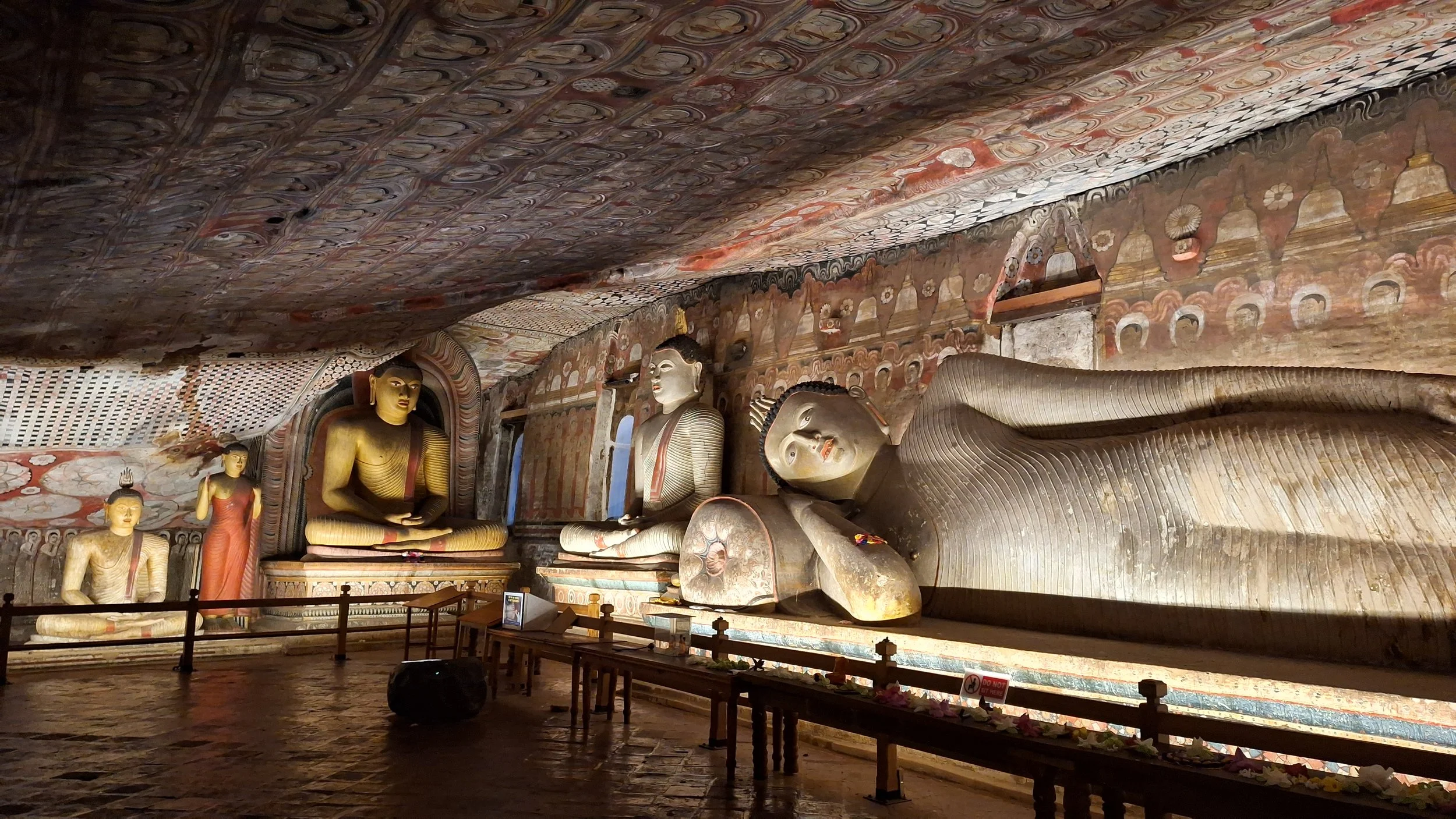
Dambulla Cave Temple
Set within a massive granite outcrop rising above the central plains, the site comprises a series of naturally formed caves that were gradually transformed into richly adorned shrine spaces over more than 2,000 years.
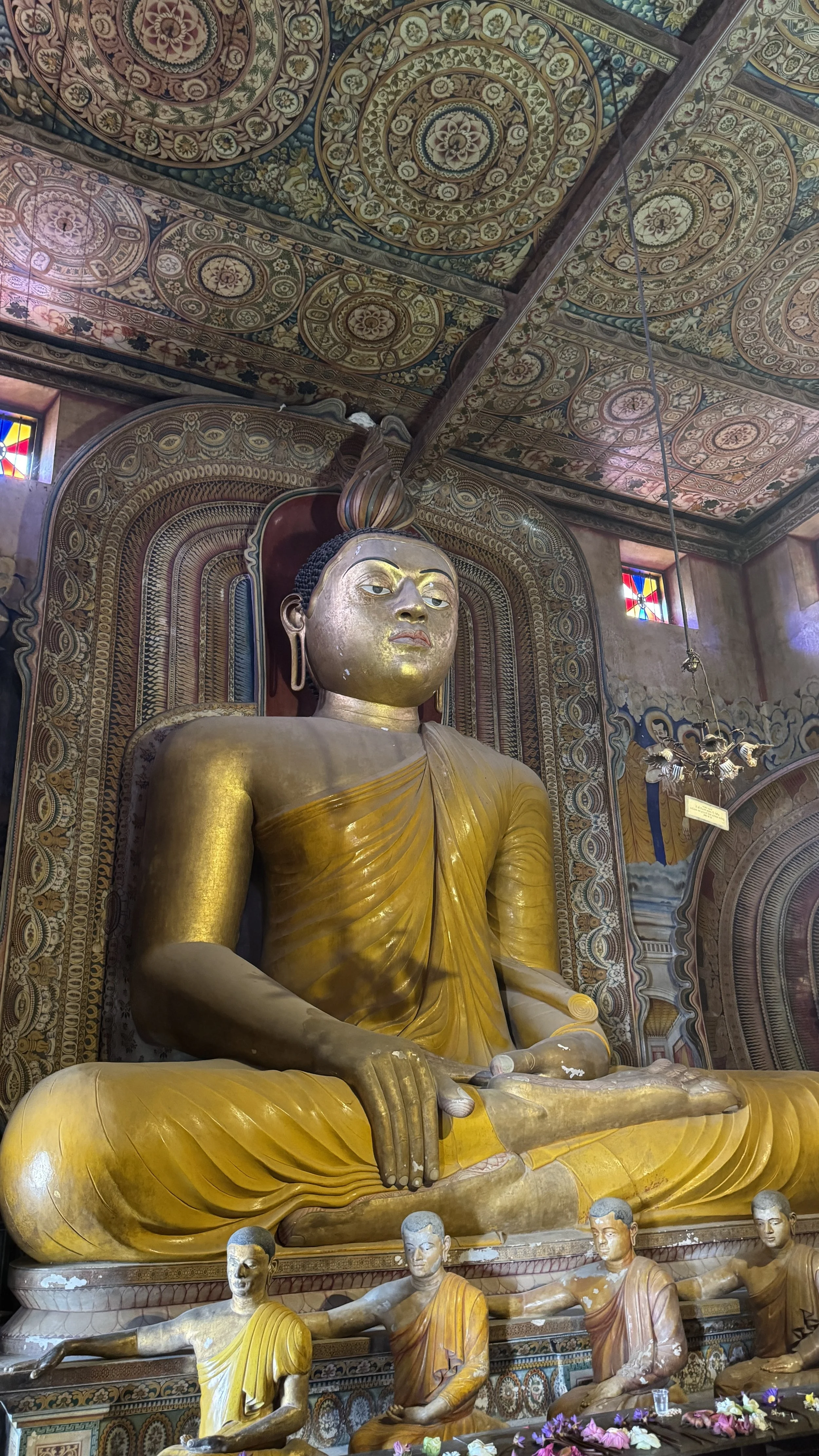
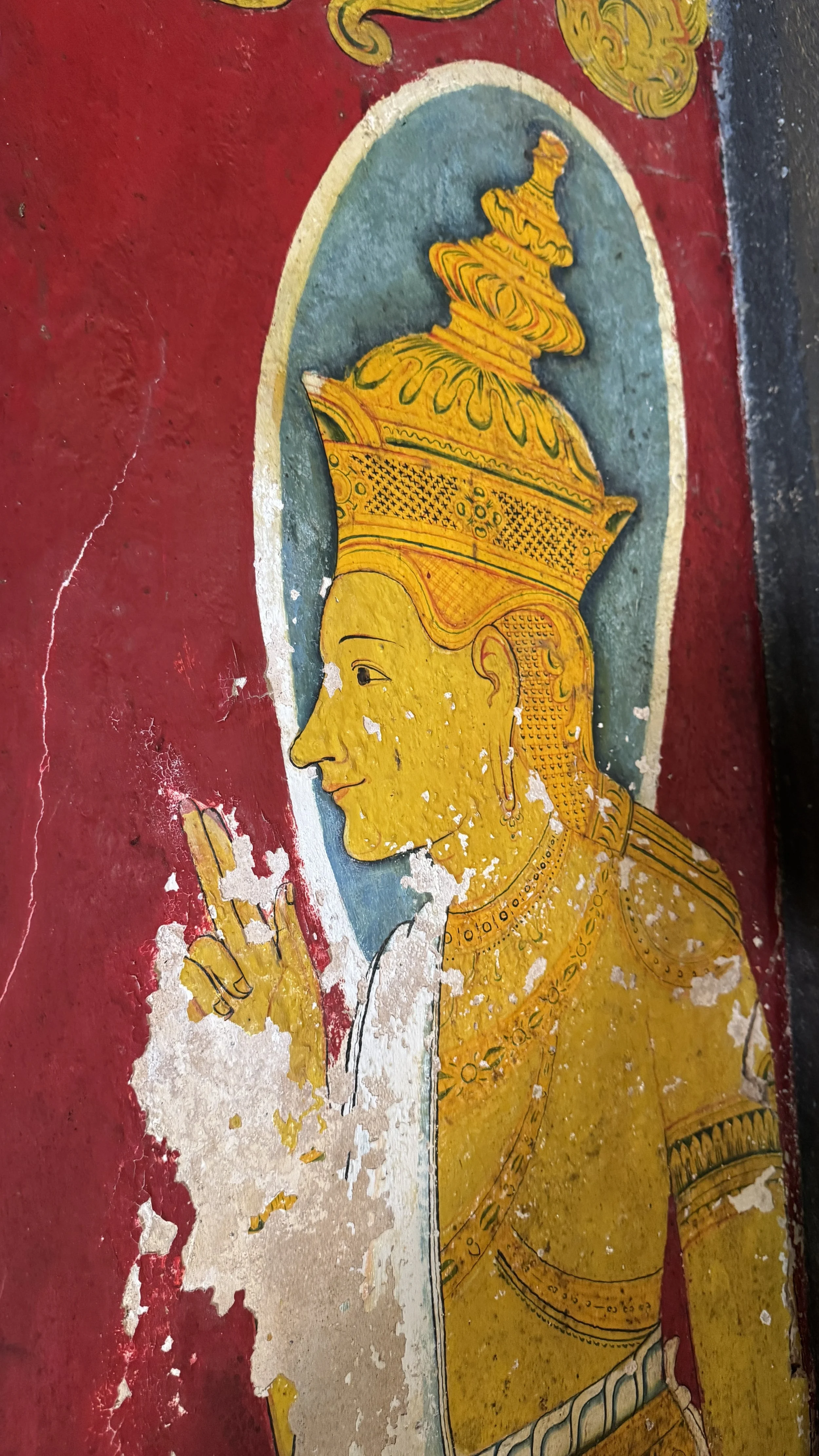
Across its five main caves, the interior surfaces are covered with extensive mural cycles depicting the life of the Buddha, important Jataka tales, and key moments in Sri Lankan Buddhist history. These paintings, executed in layered pigments and refined line work, reflect evolving artistic conventions from early Anuradhapura influences through later Kandyan restorations, offering a visual record of shifting aesthetics, devotional practices and royal patronage.
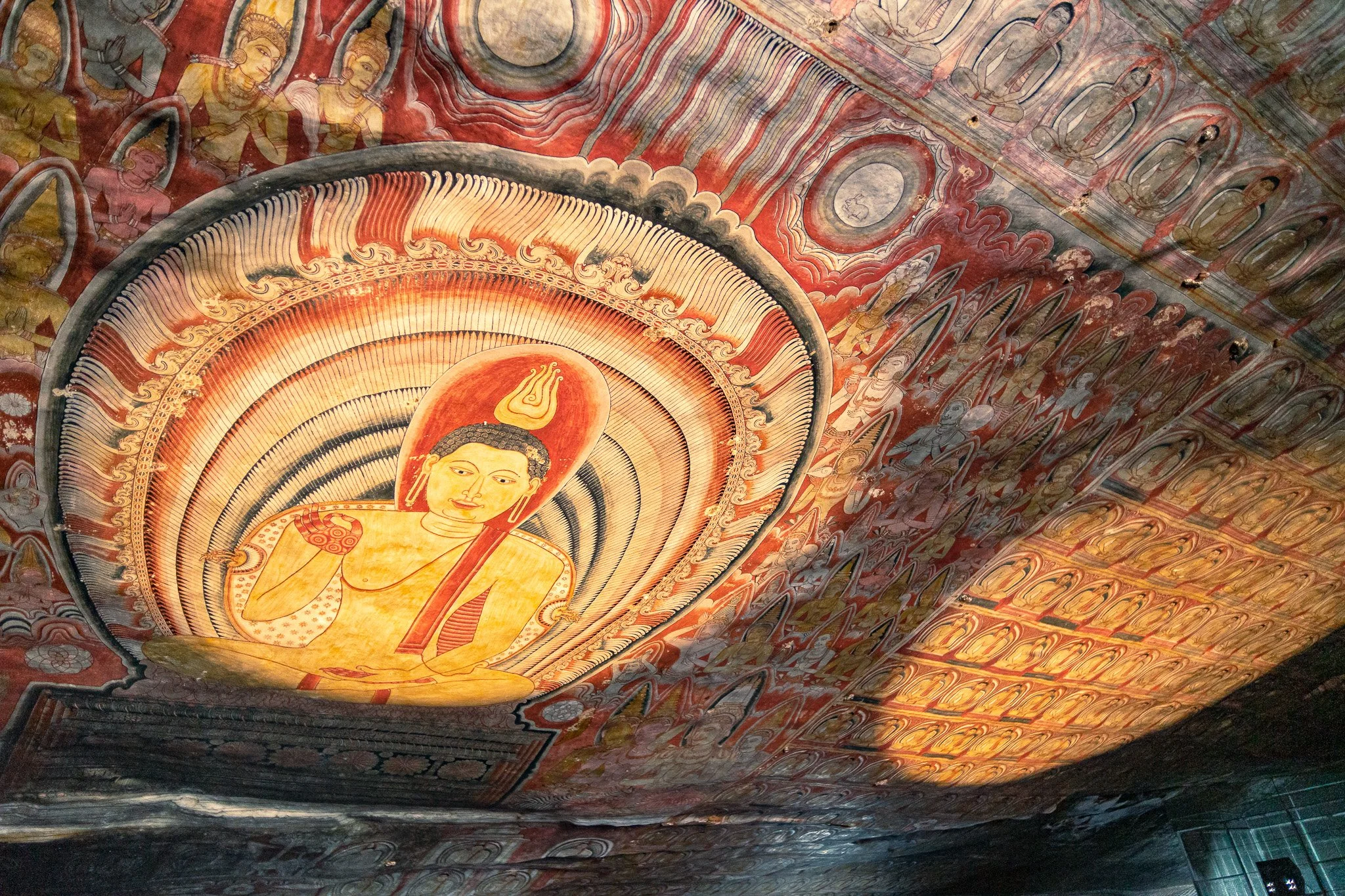
The ancient cave temples of Dambulla contain one of the most important collections of Buddhist art in South Asia. Developed over more than two millennia, the complex houses extraordinary murals, painted ceilings and hundreds of Buddha images that reflect changing artistic styles, religious devotion and royal patronage across centuries. The caves offer a rare opportunity to explore the intersection of art, spirituality and history within a living sacred site that continues to be an important place of pilgrimage today.
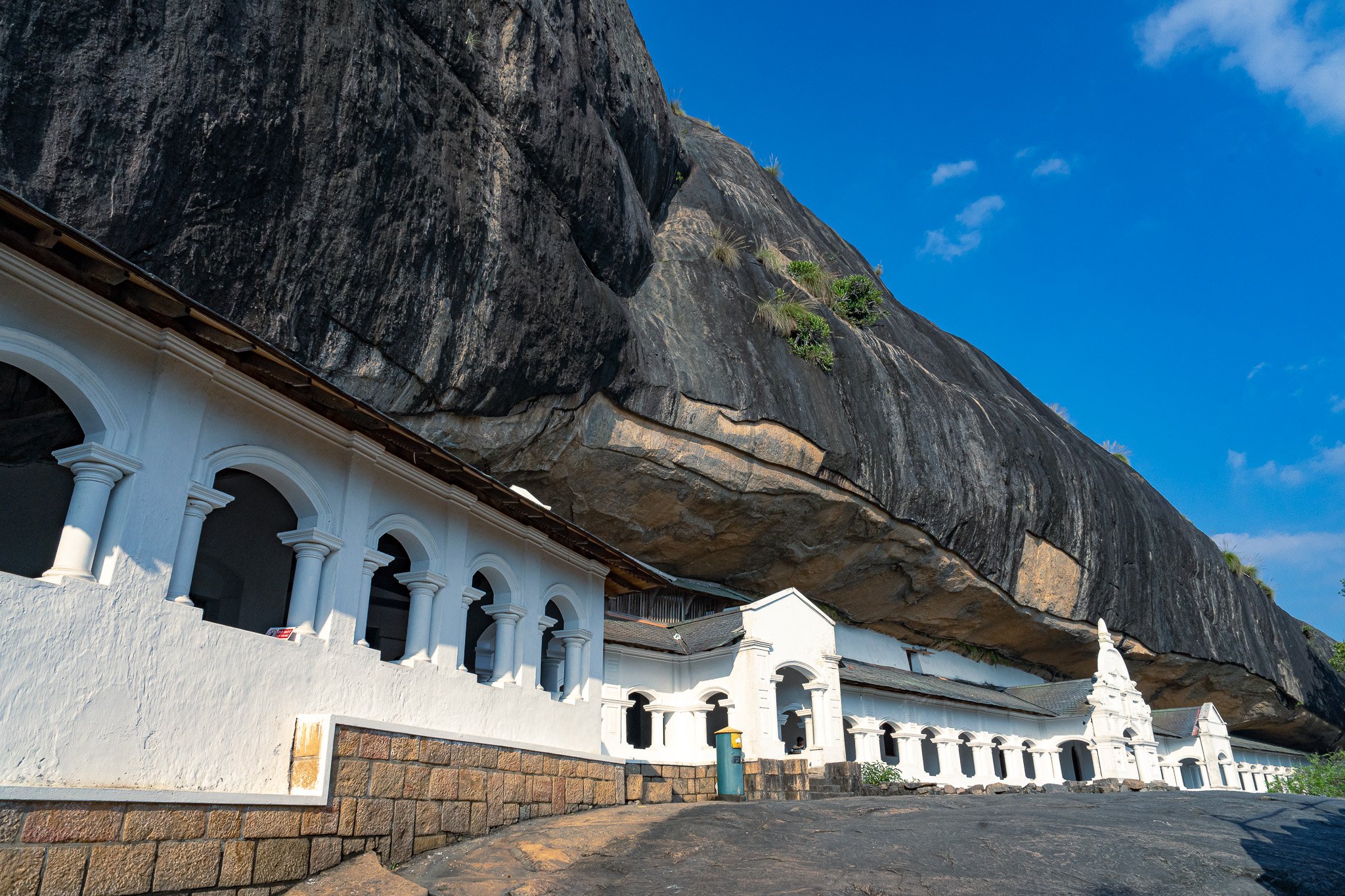
Alongside the murals, the caves contain over 150 Buddha statues, as well as figures of kings, deities and bodhisattvas, illustrating the blending of religious iconography and political authority. The spatial experience of the caves—dim light, rhythmic columns of rock, and carefully arranged imagery—creates an immersive devotional environment designed for contemplation and ritual practice.
Today, Dambulla remains an active place of worship as well as a UNESCO World Heritage Site, where art, landscape and spirituality remain deeply intertwined in a continuous living tradition.
A Day at Turtle Beach
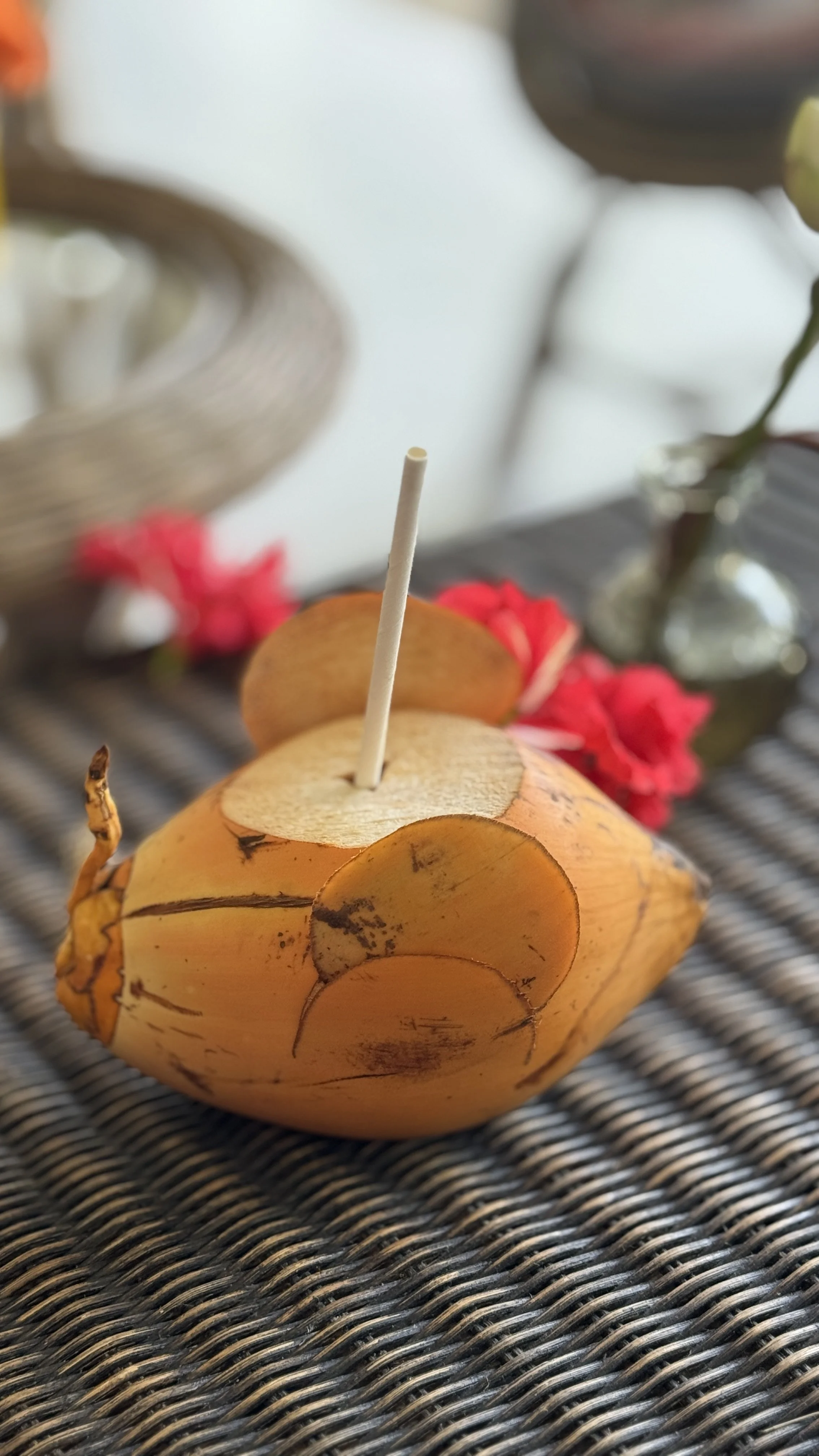
A swim in the warm Indian Ocean where green turtles are abundant, learning to nature journal and appreciate the local delights of the King coconut.

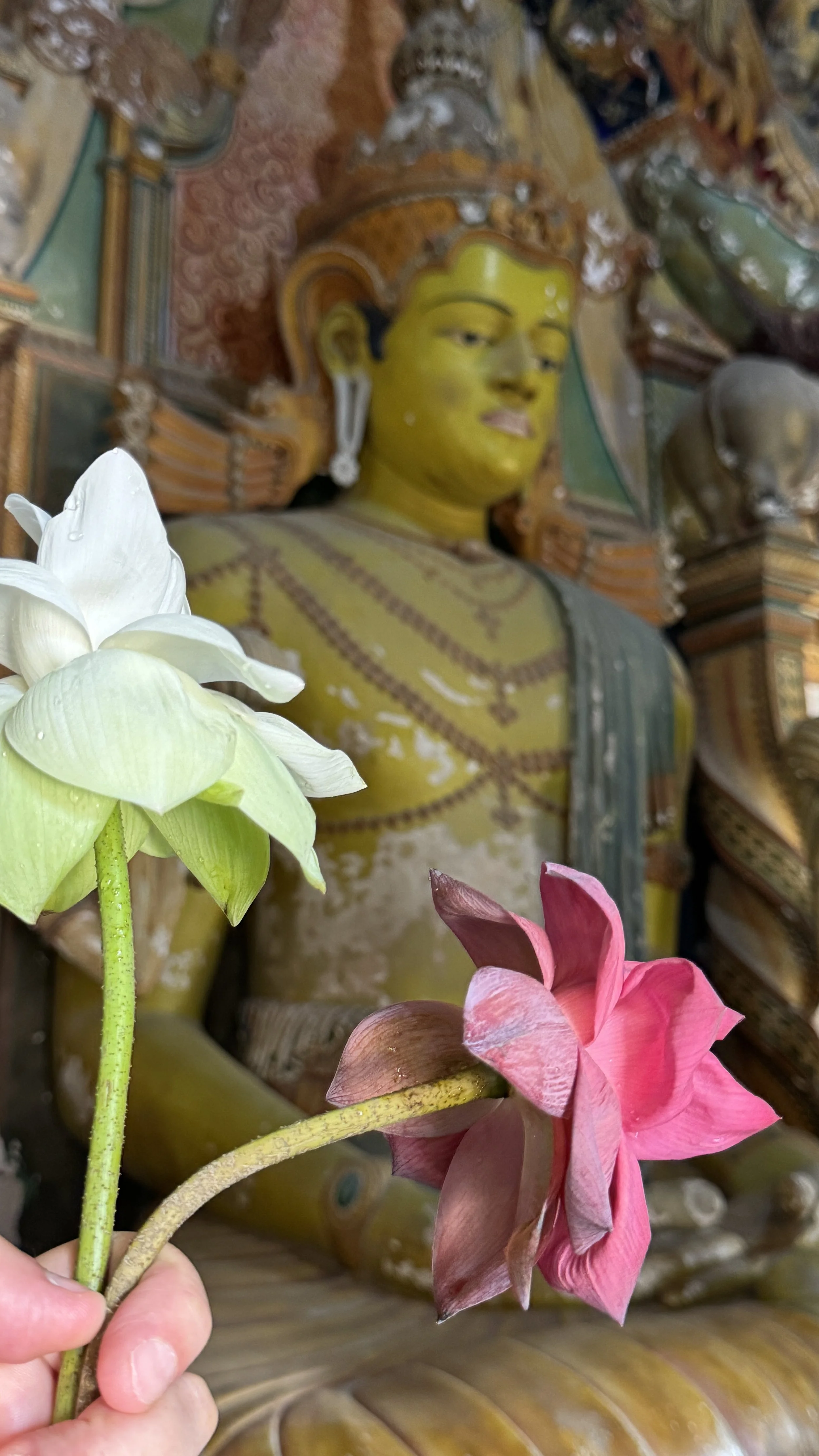
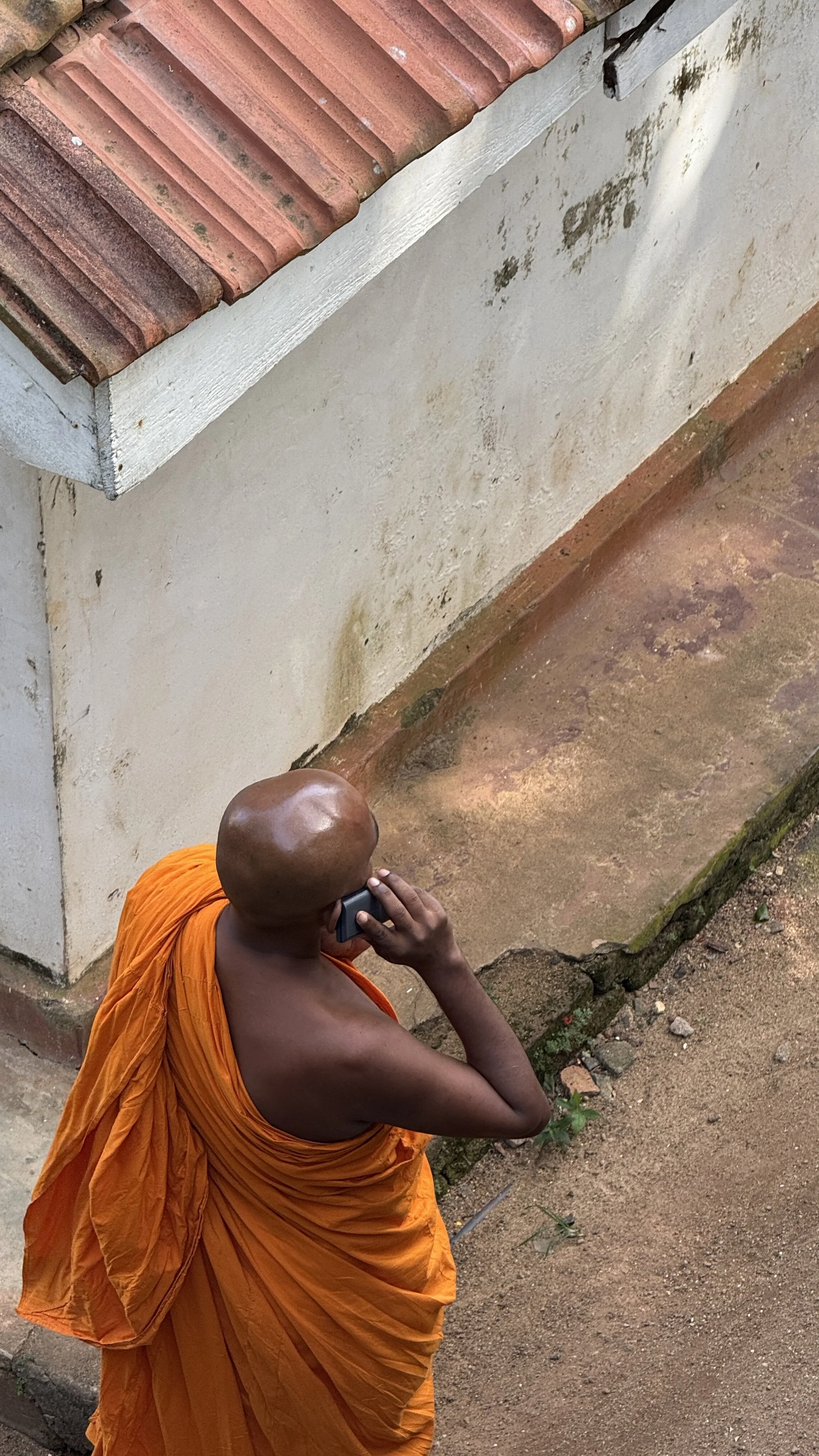
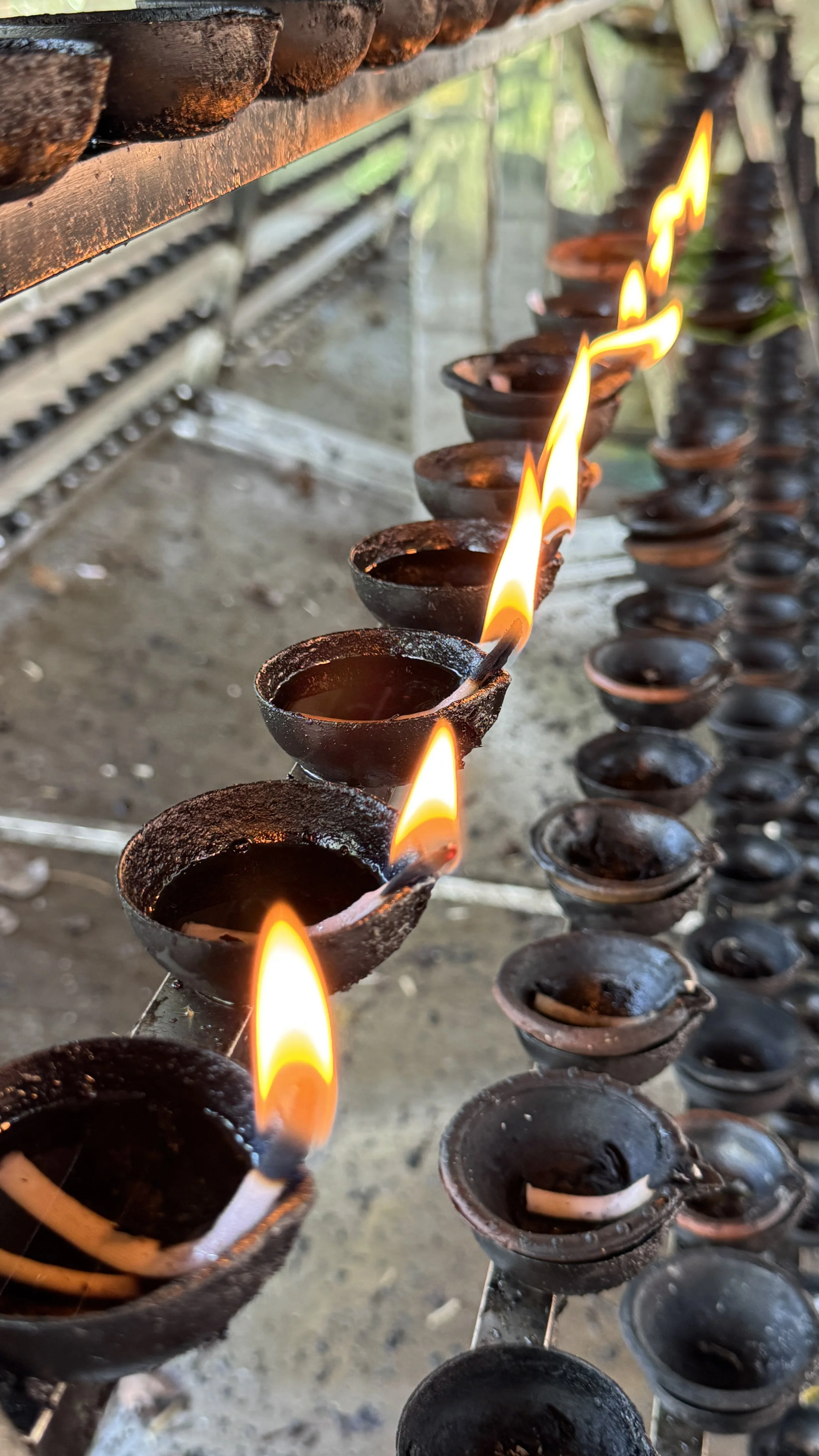
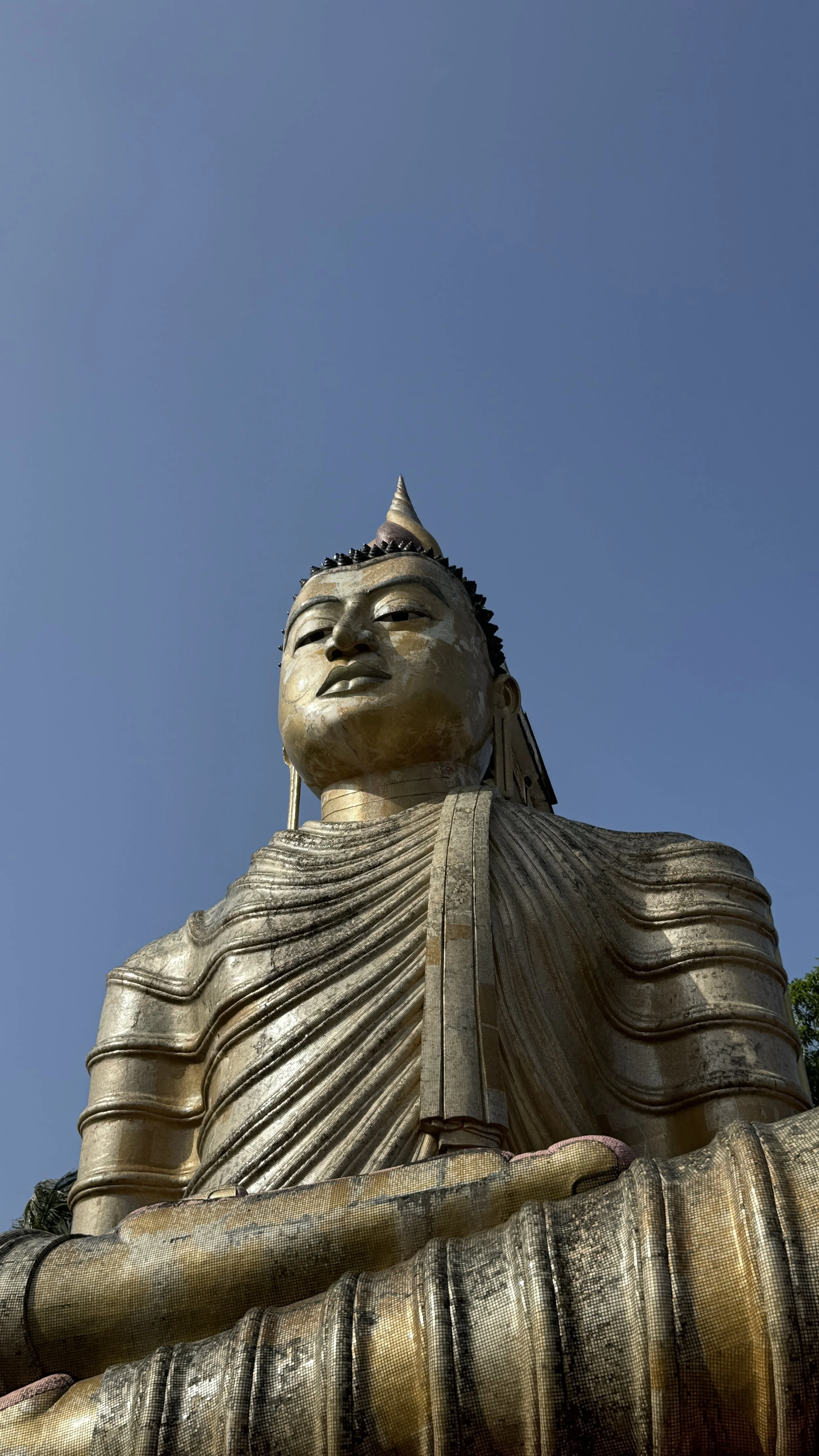
A visit to the local Buddhist temple in Sri Lanka offers a profound look into the country's spiritual heart. Rooted in Theravada Buddhism for over two millennia, these temples are where the community gathers to practice their faith. By observing with reverence, you'll see how core principles like karma and compassion guide daily life. This experience reveals how Buddhism is a way of life that shapes ethical conduct and fosters social harmony.
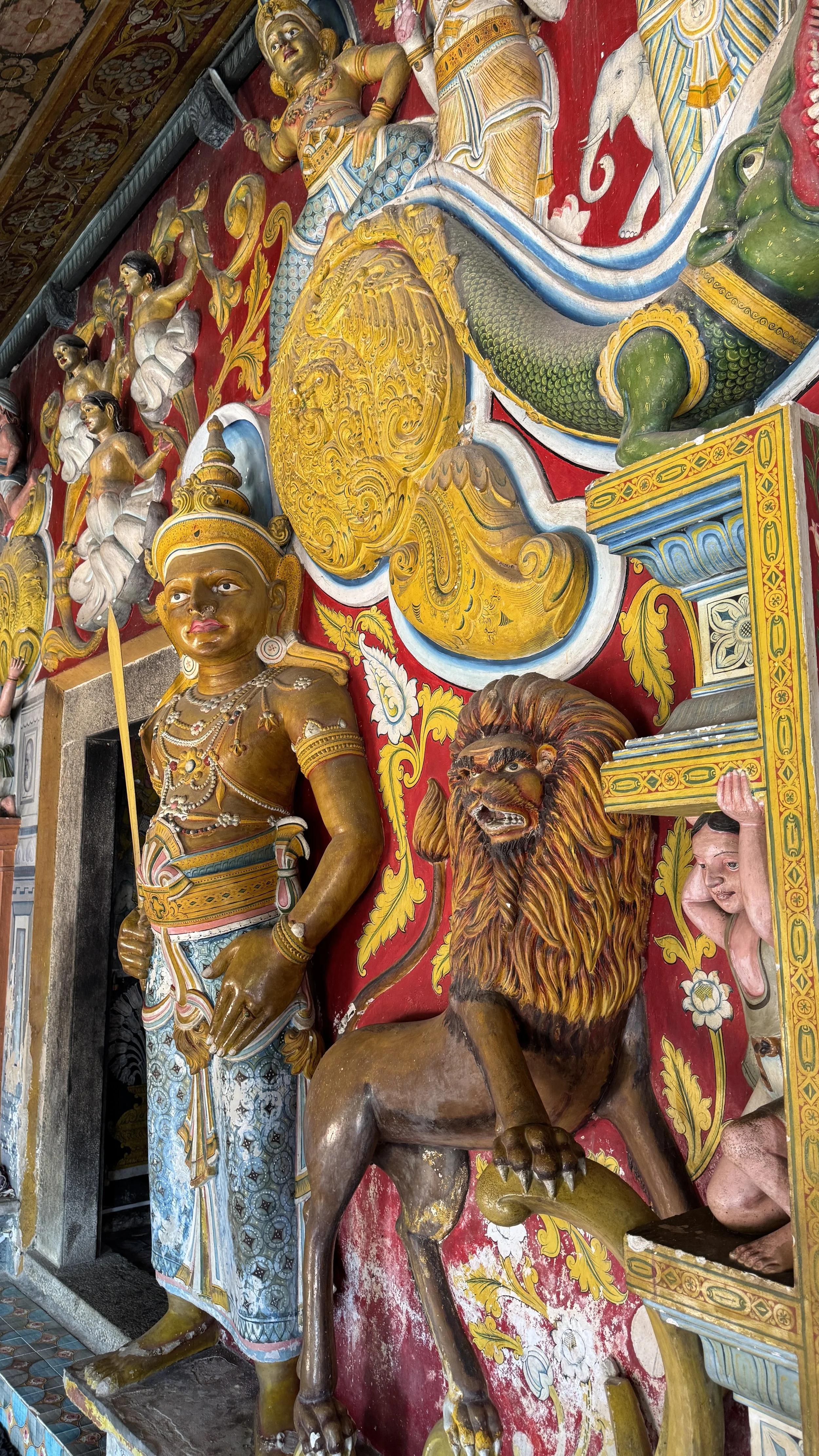
Sigiriya from Pidurangala
Rising dramatically from the surrounding plains, Sigiriya is one of Sri Lanka's most remarkable cultural landscapes. Built in the 5th century, this UNESCO World Heritage site combines royal architecture, sophisticated water gardens, engineering innovation and celebrated frescoes. Beyond its archaeological significance, Sigiriya offers insight into the island's complex histories of power, artistry and landscape design, while providing sweeping views across the forests and villages of Sri Lanka's Cultural Triangle.
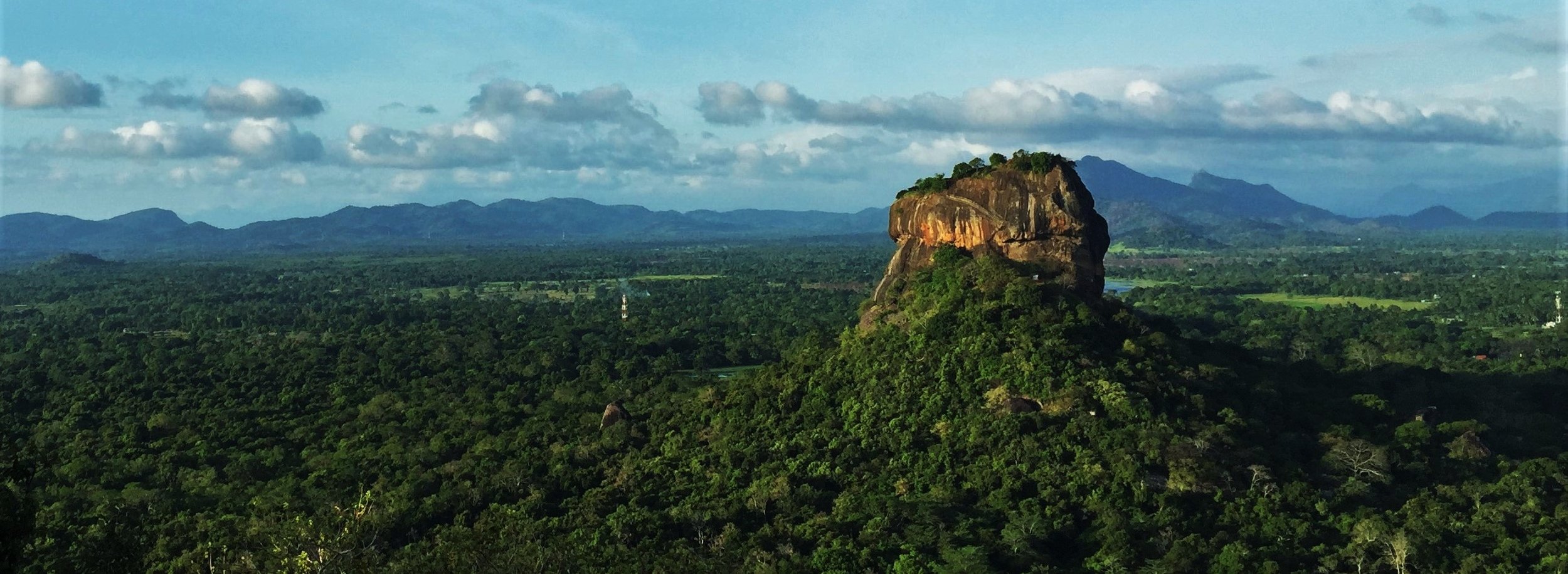
Nuwara Eliya
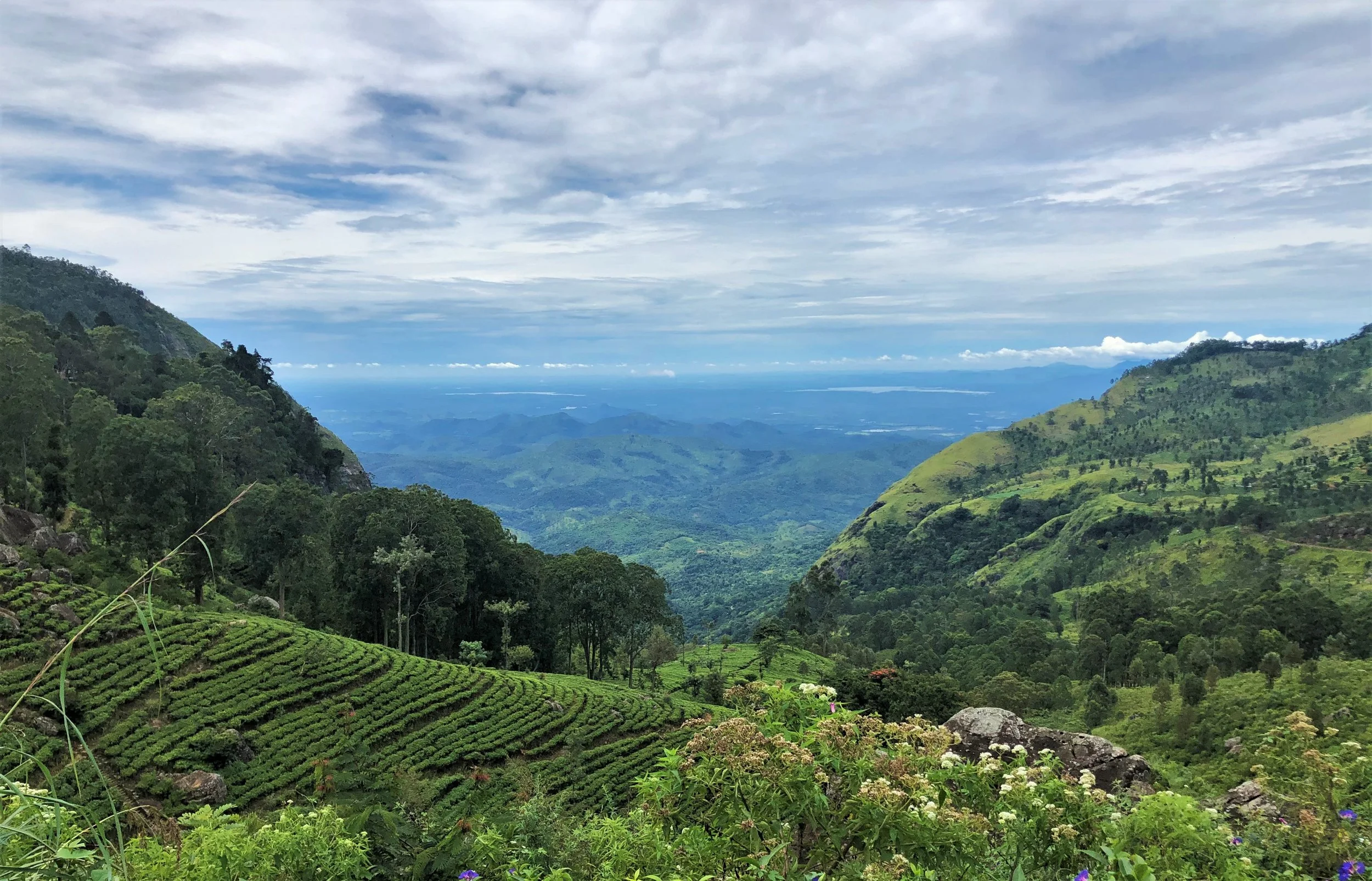
We meet Salinda Madugalle, a retired Tea Planter who will be sharing his stories about the tale of tea.
Salinda began his planter’s career back in 1977, carrying with him a great deal of experience in the tea fields as a planter for over 30 years and also having experience as a consultant at many tea estates in the hill country. Now retired yet with the passion of keeping his planting memories alive Salinda will take you on a walk down the memory lane of the life as a tea planter back in the good olden days and of course show you around on how the situation at the tea estates had evolved since his times.
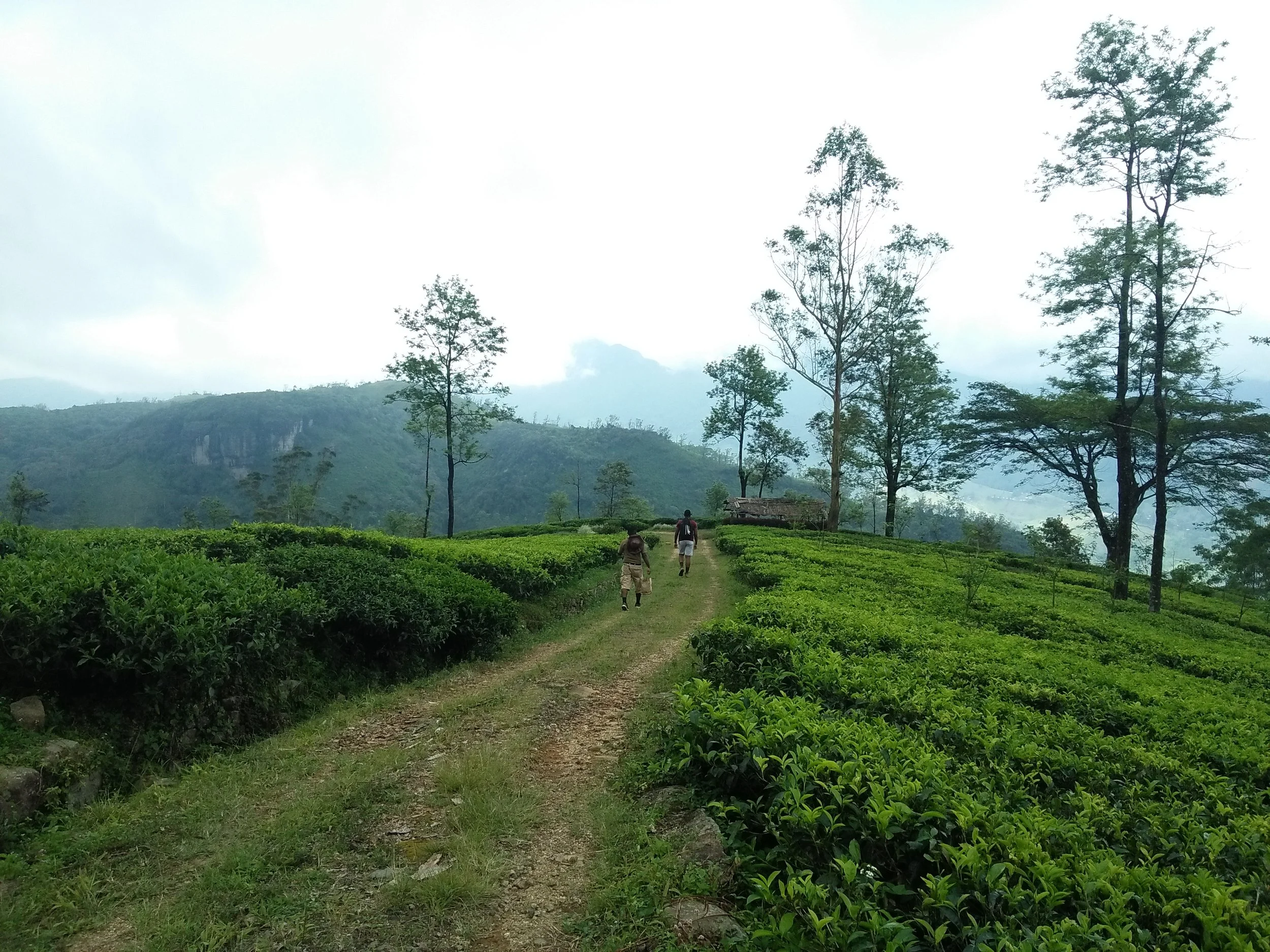
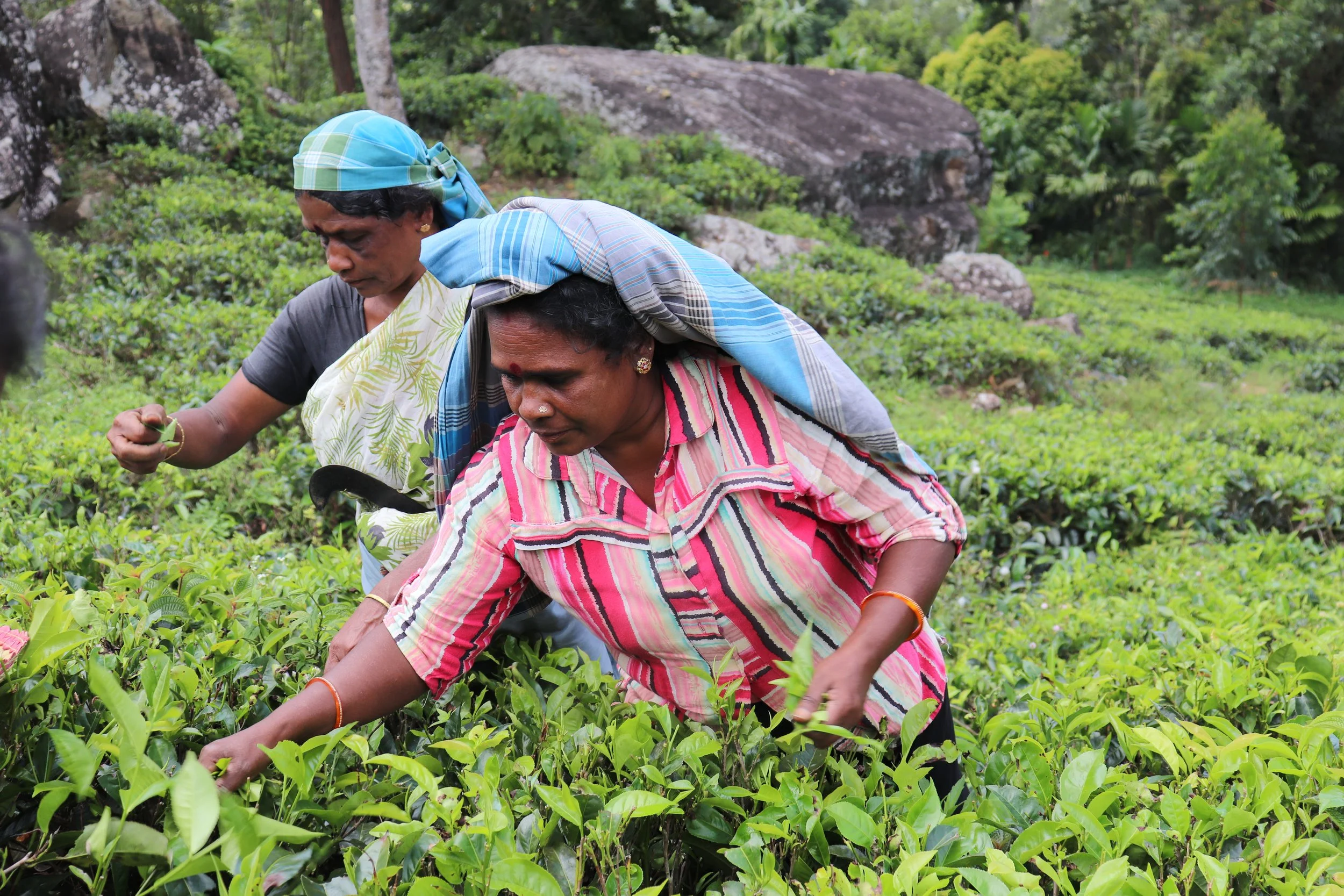
Stray away to the small trails among the tea bushes, you might even meet some of the local ladies plucking tea, most of the workforce still is Tamil women who live a hard life, conditions have improved dramatically since the 19th century but it is still a back breaking job. Salinda is fluent in his Tamil, following his extensive experience in the estates, he will even strike up conversations with the locals and narrate some of their stories from life as tea estate workers.
Later join Salinda for a private tea tasting experience and engage in as he shares his expertise on determining the qualities of different kinds of tea based on differing flavors and appearance.
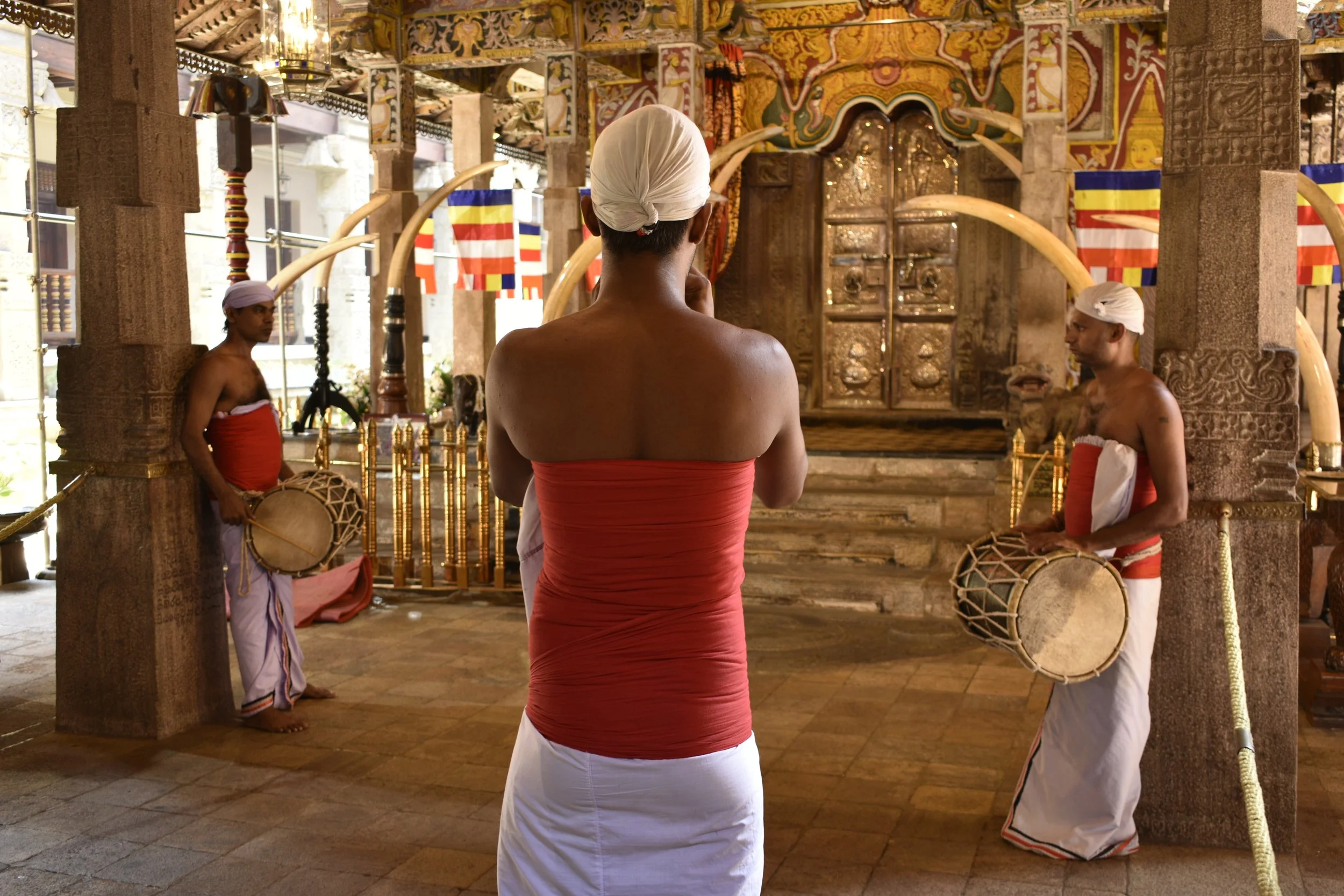
Kandy & The Temple of the Tooth
As Bella Woolf described in her 1927 guide How to See Ceylon:
“The courtyard is crammed with worshippers of all ages, bearing offerings in their hands, leaves of young coconut, scent, flowers and fruits. As the door opens, they surge up in the dark and narrow stairway to the silver and ivory doors behind which lies the tooth.
The doors are opened and a flood of hot heavy scented air pours out. The golden karanduwa or outer casket of the tooth stands revealed dimly behind gilded bars. In the weird uncertain light of candles in golden candelabra the yellow-robed priests move to and fro. The tooth is enclosed in five karanduwas and slowly and solemnly each is removed in turn, some of them are encrusted with rubies, emeralds and diamonds. At last the great moment approaches; the last karanduwa is removed - in folds of red silk lies the wondrous relic - the centre point of faith”.
Contextual note:
Bella Woolf’s writing reflects early 20th-century colonial travel literature, which often frames Sri Lankan religious practice through a sensorial, observational, and somewhat romanticised lens. While valuable as a historical record of how sacred rituals were perceived by foreign visitors of the period, such accounts are shaped by their time and position, and may not fully reflect local interpretations or the lived spiritual meanings of the ritual itself. We will be discussing.
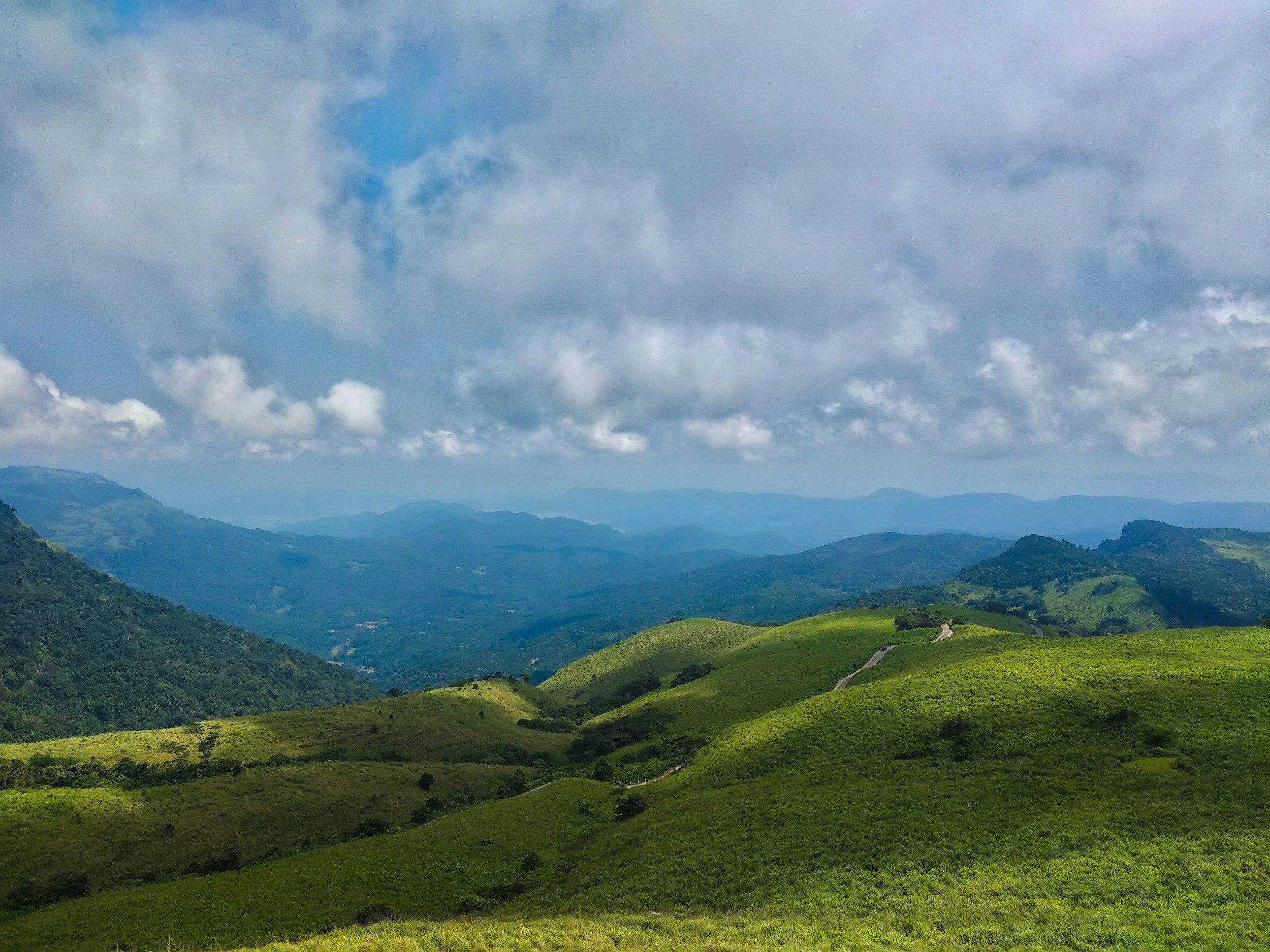
Usual village tours will have things set up with a script, this one has nothing scripted. As you walk along, you will only see what you are lucky to see on the day. The route is easy and flexible, covering 3 to 4 km over 1 to 2 hours depending on pace. The experience concludes with a village-prepared rice and curry lunch served on banana leaf, followed by locally prepared sweets.
Matale Village Walk
Join our friend and villager for a guided walk through a low-density farming settlement away from main routes, where small-scale agriculture continues within a living rural system. Traverse irrigated rice fields and mixed cultivation zones with views toward the Knuckles Mountain Range, moving through land shaped by long-established use patterns. Pass home gardens and spice plots where pepper, cinnamon, cloves and coffee are cultivated within integrated farming systems. Your guide provides insight into agrarian practice, settlement structure and local socio-cultural life.
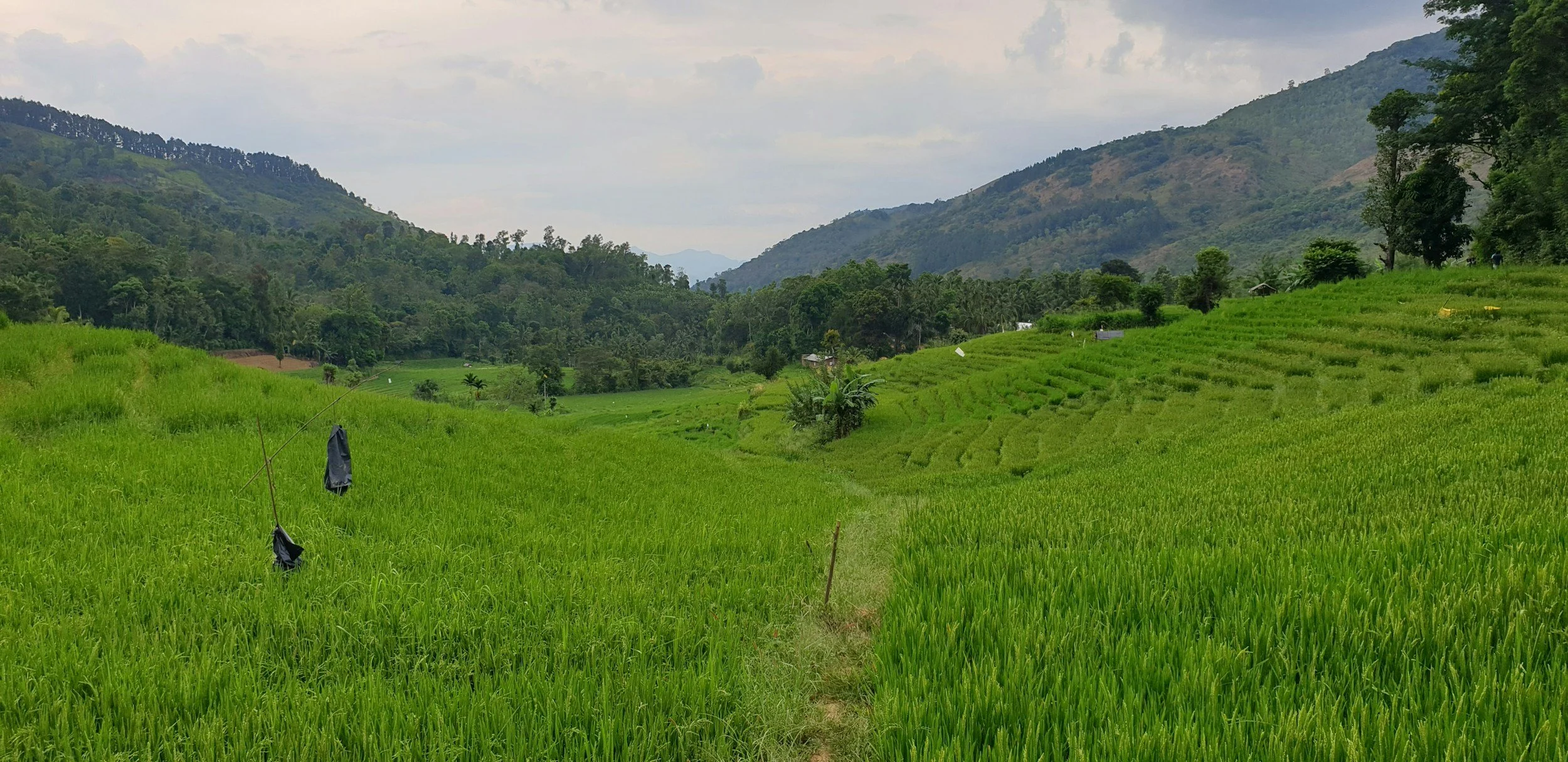
Dumbara Weaving
Visit to a village in the Dumbara Valley where handloom weaving continues as a living practice passed through generations. Dumbara weaving here reflects techniques once associated with the Kandyan court, with each textile requiring weeks of meticulous work and carrying strong regional identity in its design language. Intricate geometric motifs and a distinctive natural palette of earthy browns, indigo, and muted greens are derived from traditional dyes. They continue to reflect a deep connection to landscape, craft knowledge and cultural memory.A short walk through surrounding rice fields and forested slopes reveals a landscape shaped by agriculture, with seasonal waterfalls visible after rain. Inside a working home studio, weavers share their process over tea.

Itinerary
-
We begin at 4pm. Enjoy a welcome drink and snacks. Your Host Anna and our Local guide look forward to meeting you. Meet each other & connect.
We visit the Thimble Arts Centre & Social initiative then enjoy a delicious and relaxing meal in Negombo
-
Early morning visit to Negombo Fish Market with packed breakfast, observing daily fishing activity and seafood trade at source
Continue through the Cultural Triangle with a visit to Dambulla Cave Temple, a multi-cave Buddhist site with extensive murals, statues, and panoramic views from its elevated setting
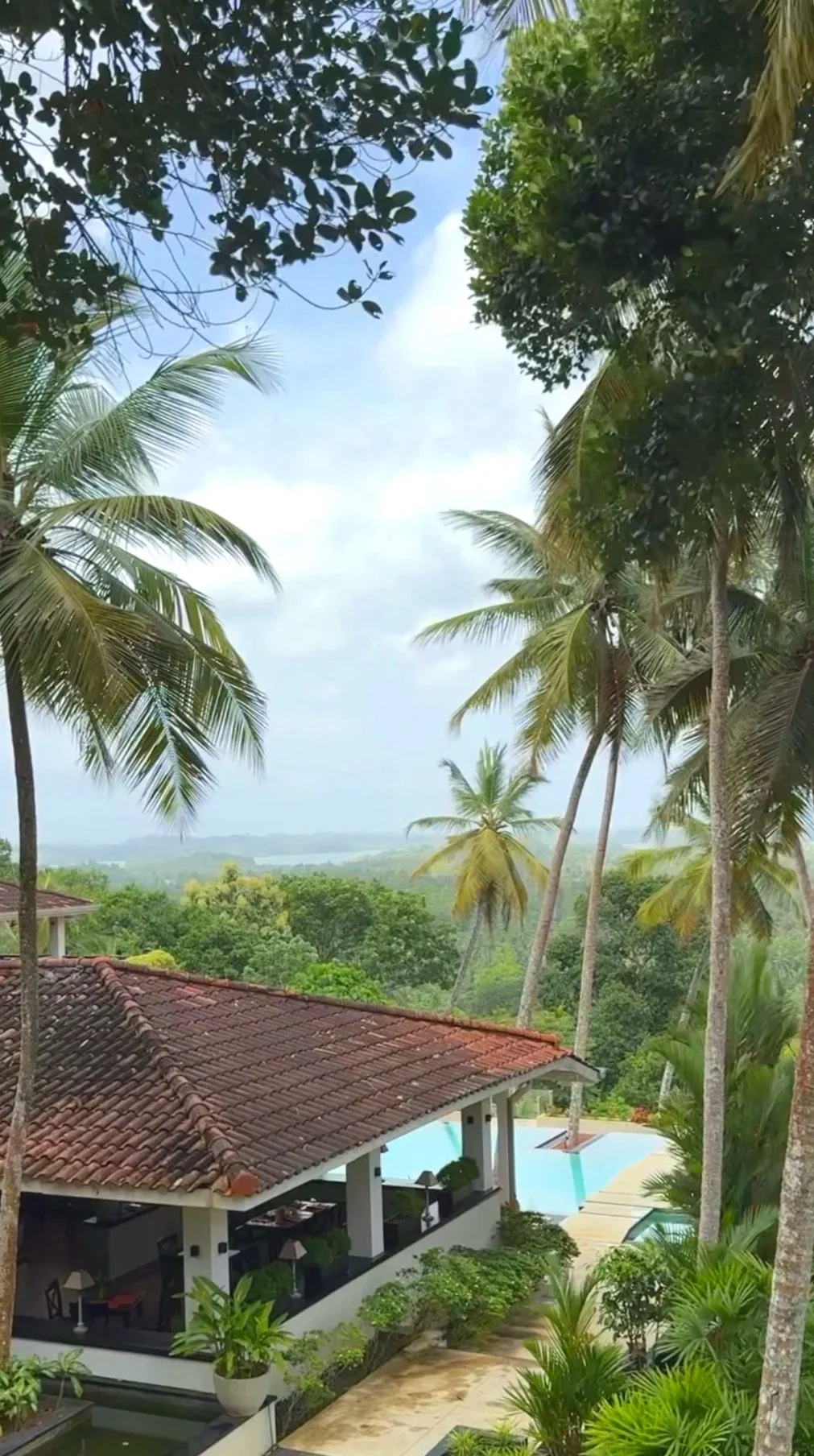
Drive onward to Sigiriya and check in at Seerock King’s Domain, a boutique property in the Cultural Triangle with gardens, pool, and contemporary service standards
-
Depart for Kandy with a stop en route for a guided walk through a village in Matale, moving through small-scale farming landscapes and cultivated land shaped by local agricultural practice
Walk covers approximately 3–4 km over 1–2 hours through village paths and fields, followed by a locally prepared rice and curry lunch served on banana leaf with sweets
Continue drive to Kandy and check in at Grand Serendib – Kandy, a contemporary hotel overlooking the city and surrounding hills
Evening cookery experience in a local home, learning Sri Lankan spice combinations and cooking techniques using clay pots, followed by a shared home-style dinner prepared together
-
Visit to a village in the Dumbara Valley where handloom weaving continues as a living craft rooted in Kandyan-era textile traditions
Short walk through village landscapes with fields and seasonal waterfalls, followed by a visit to a working home studio where weaving is demonstrated and daily life is shared over tea
Lunch served in the village as part of the visit, followed by time to depart and return to Kandy
Visit to Kandy town spice market, focusing on everyday trade and locally used spices rather than curated spice garden experiences
Optional stop at a local market café for simple Sri Lankan food and Ceylon tea, followed by exploration of seasonal fruits and produce within the market
Visit to the Temple of the Tooth, the city’s most significant cultural and religious site
-
Train journey from Kandy to Nanu Oya through Sri Lanka’s hill country, passing tea plantations, mountain landscapes and rural stations
Arrival at Nanu Oya with luggage transferred separately by chauffeur guide for a seamless travel experience
Continue to Nuwara Eliya and check in at Galway Heights for lunch, a boutique hotel set within the central highlands known for its cool climate and elevated setting
-
Tea experience in the hill country with retired planter sharing lived insights into estate life and the evolution of Sri Lanka’s tea industry since the late 1970s
Guided walk through tea fields with opportunity to observe daily estate activity and conversations with local tea pluckers
Private tea tasting focused on grading, flavour profiles and production knowledge, led by an experienced tea professional
Exploration of Nuwara Eliya with a lunch stop at Themparadu Restaurant, followed by a guided walk through the town’s colonial-era architecture, public gardens and contemporary highland life
-
Travel to Udawalawe for a combined cultural and wildlife day experience in Sri Lanka’s southern dry zone landscape
Visit Craft Tunnel in Udawalawe, including the pottery studio, gallery spaces and lunch prepared in a clay pot kitchen using locally sourced ingredients and heritage recipes
Afternoon safari in Udawalawe National Park, known for elephant populations alongside deer, buffalo, crocodiles and diverse birdlife across open grassland and scrub ecosystems
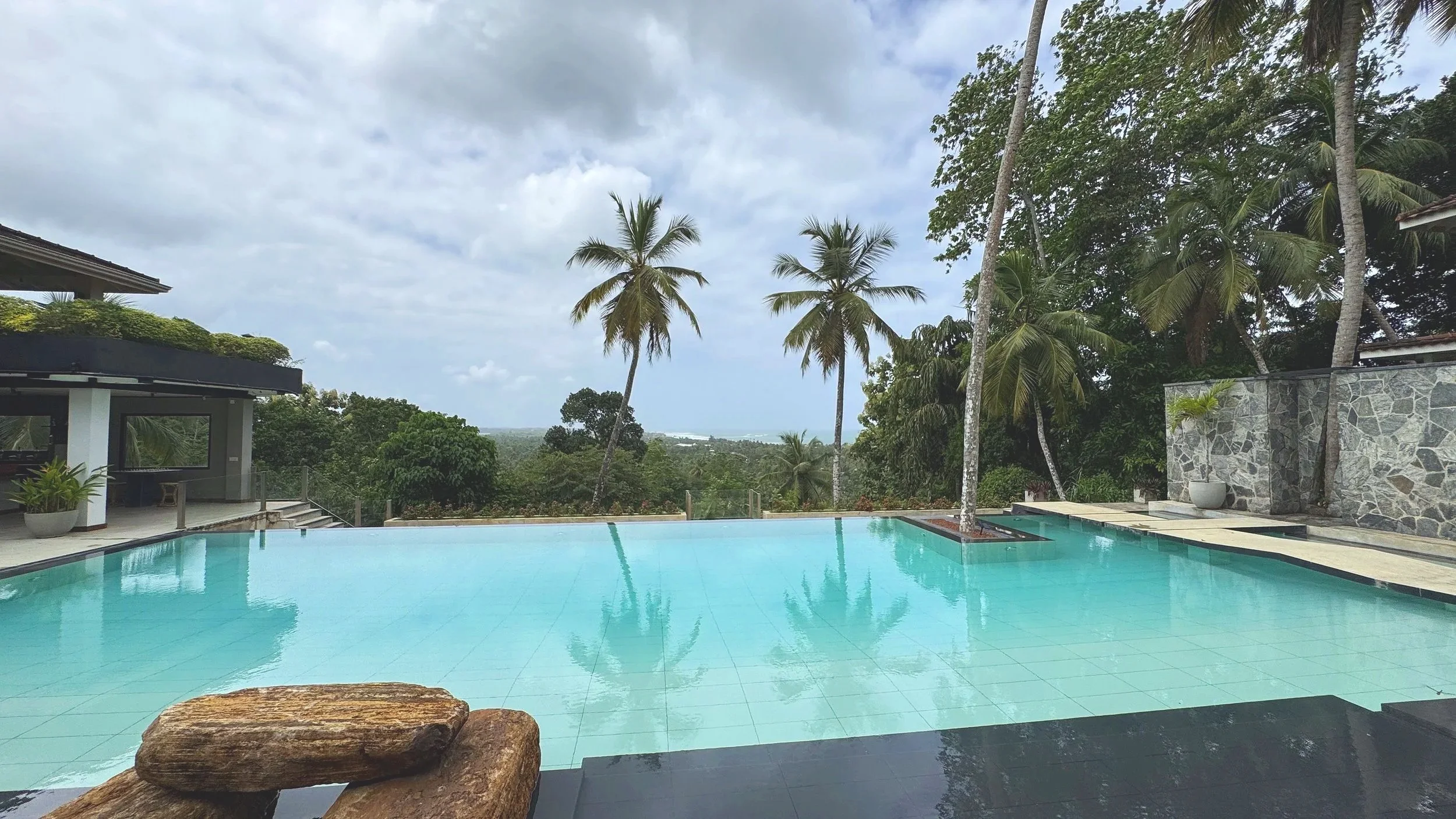
Continue to Habaraduwa and check in at Tabula Rasa Resort & Spa, a coastal retreat focused on wellness, privacy and contemporary Sri Lankan design overlooking the Indian Ocean
-
Morning leisure time at the property to rest and enjoy the coastal setting before the afternoon departure
Afternoon visit to Galle Fort for Faces of Galle walking experience with a local insider, focusing on the lived history, architecture and everyday life within the fortified city
Exploration of Galle Fort’s layered cultural identity shaped by Portuguese, Dutch and British influence, alongside its contemporary creative and food scene
Evening home visit on the outskirts of Galle for a shared experience of carrom and a Sri Lankan crab curry tasting featuring two regional styles, served in a local home setting
-
Early morning visit to Mirissa Fisheries Harbour to observe the arrival of fishing boats, unloading activity and the fish auction process within the local seafood supply chain
Visit to Weligama Fish Market with a guide to explore coastal trade, seasonal seafood and the role of fishing in the local economy
Return to the property for lunch and evening cooking experience hosted by Anna Barnes at Tabula Rasa Resort
-
Final departure from the island of Sri Lanka, with transfer to the airport approximately three hours.
End of journey and departure home after an immersive travel experience through history, culture, landscape and coastal life
Crab Curry is quintessentially Sri Lankan as some of the worlds best crab comes from this island. Paying tribute to different styles of cooking, here you will get to taste Crab Curry in two different styles. One is Jaffna/Northern style which is more chili spices based while the southern style has coconut milk infused. What is guaranteed is that both styles of preparations will make the Sri Lankan spices come to the spotlight. Along with the curries, you will have some of the typical accompaniments such as local bread and coconut sambol that Sri Lankans consider essential when enjoying a crab curry.
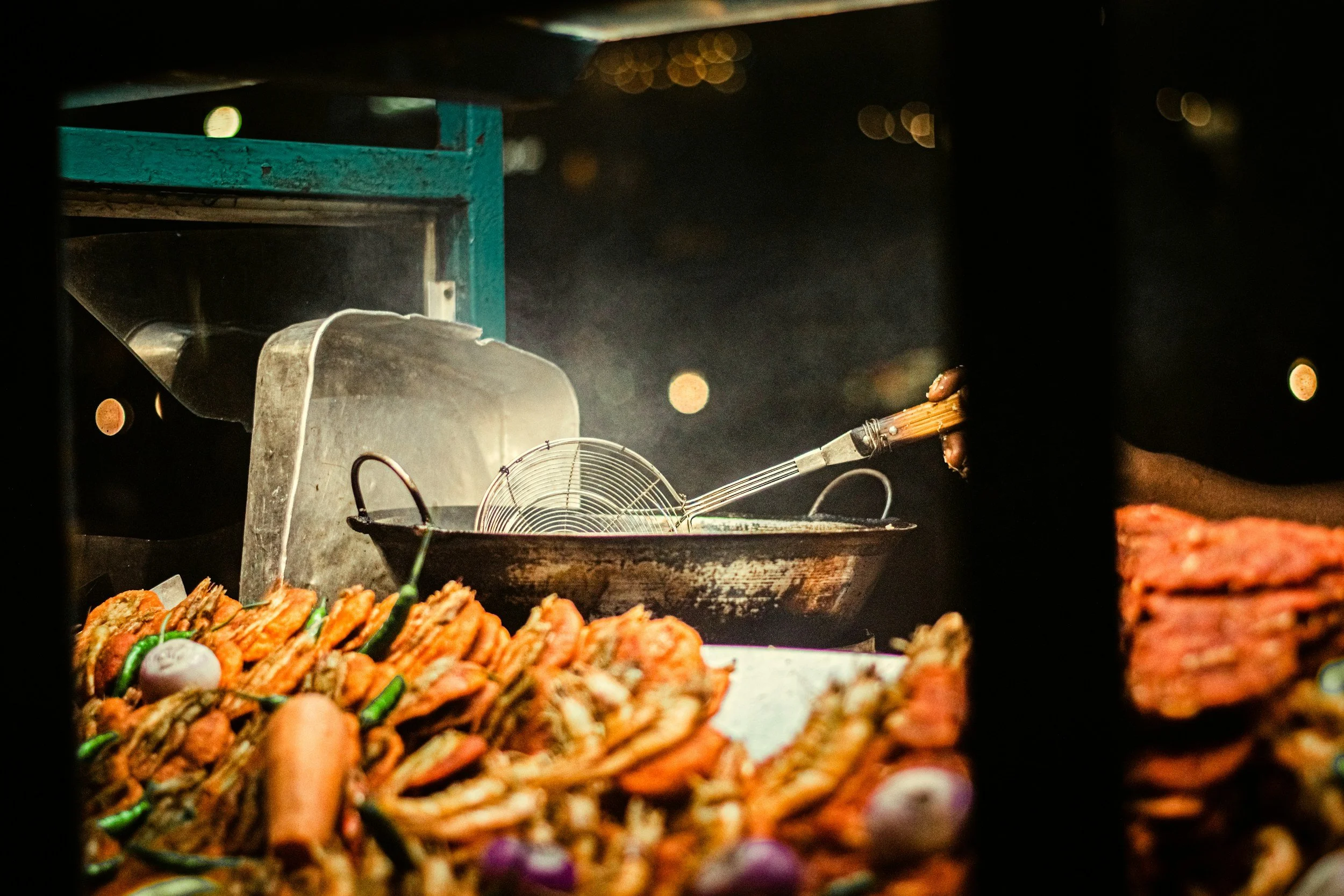
Crab Curry, Carrom & Soulful Sri Lankan Tunes
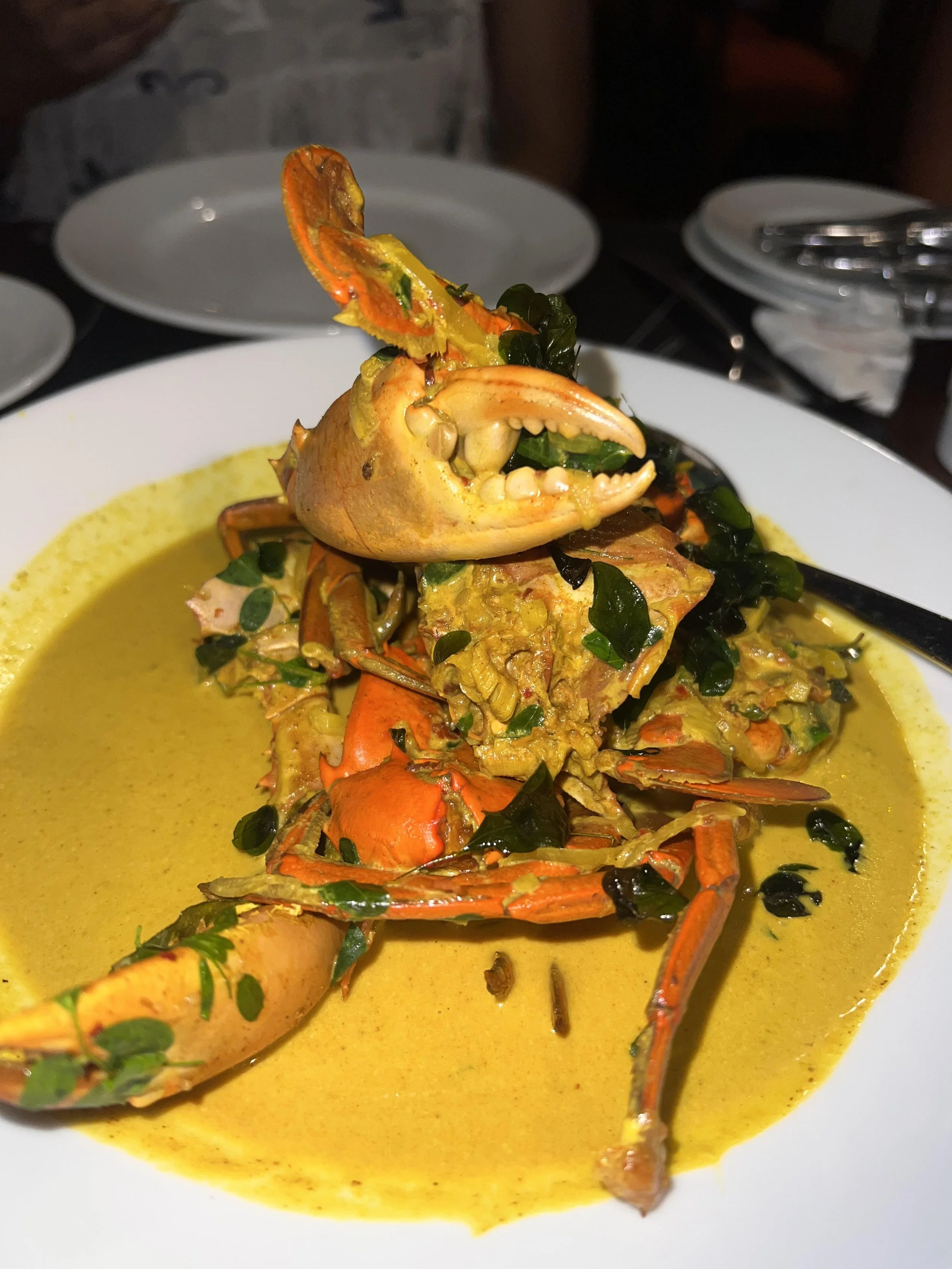
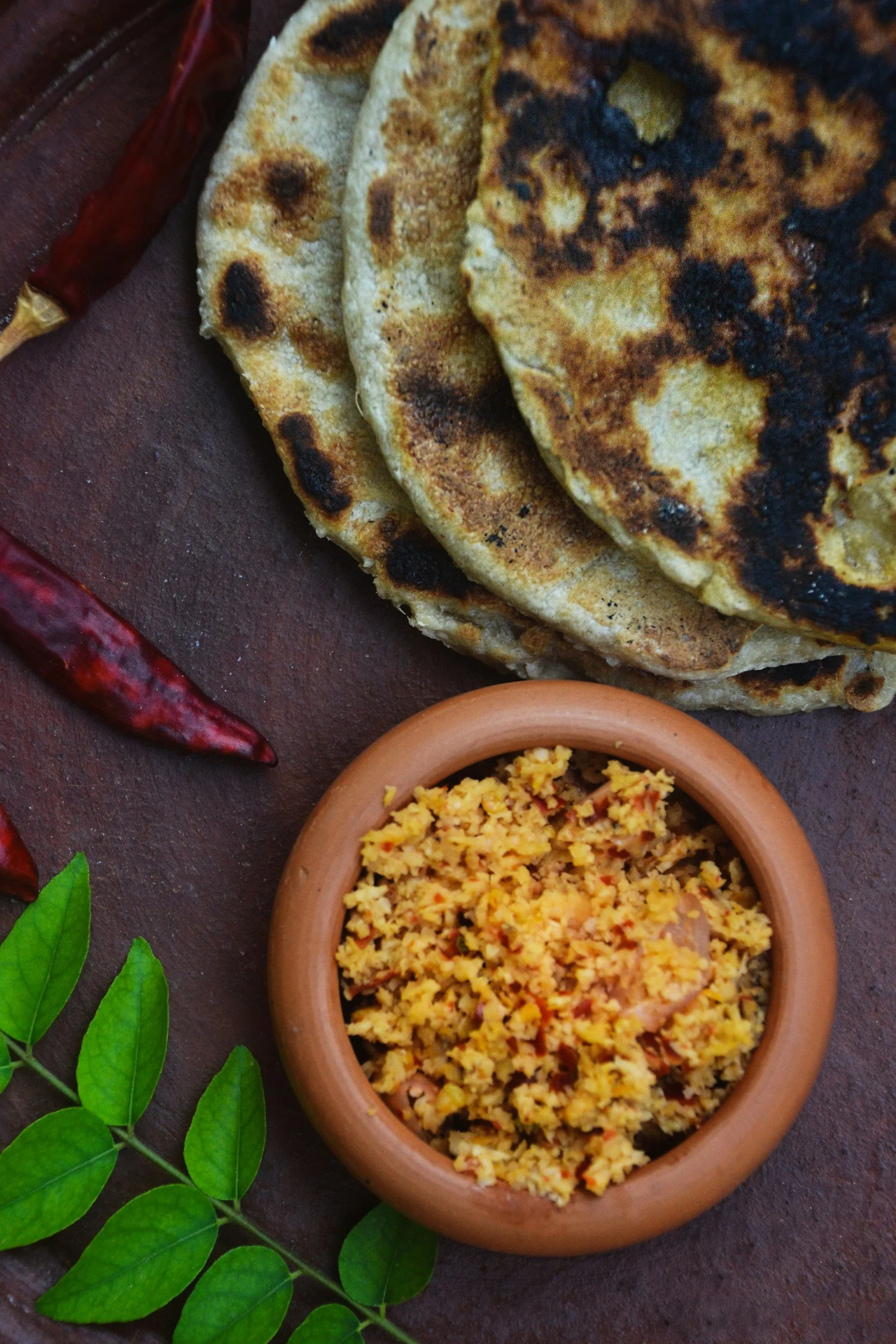
While there are some world-famous Sri Lankan crab restaurants, these two curries prepared by your host will put those to shame. And of course, you cannot beat the homely environment. Imagine this, you're sitting with your friends, playing a heated game of carrom, in between stories and a few drinks, the aroma of spices fills the air as the crab curries sit on the table beside you.
-
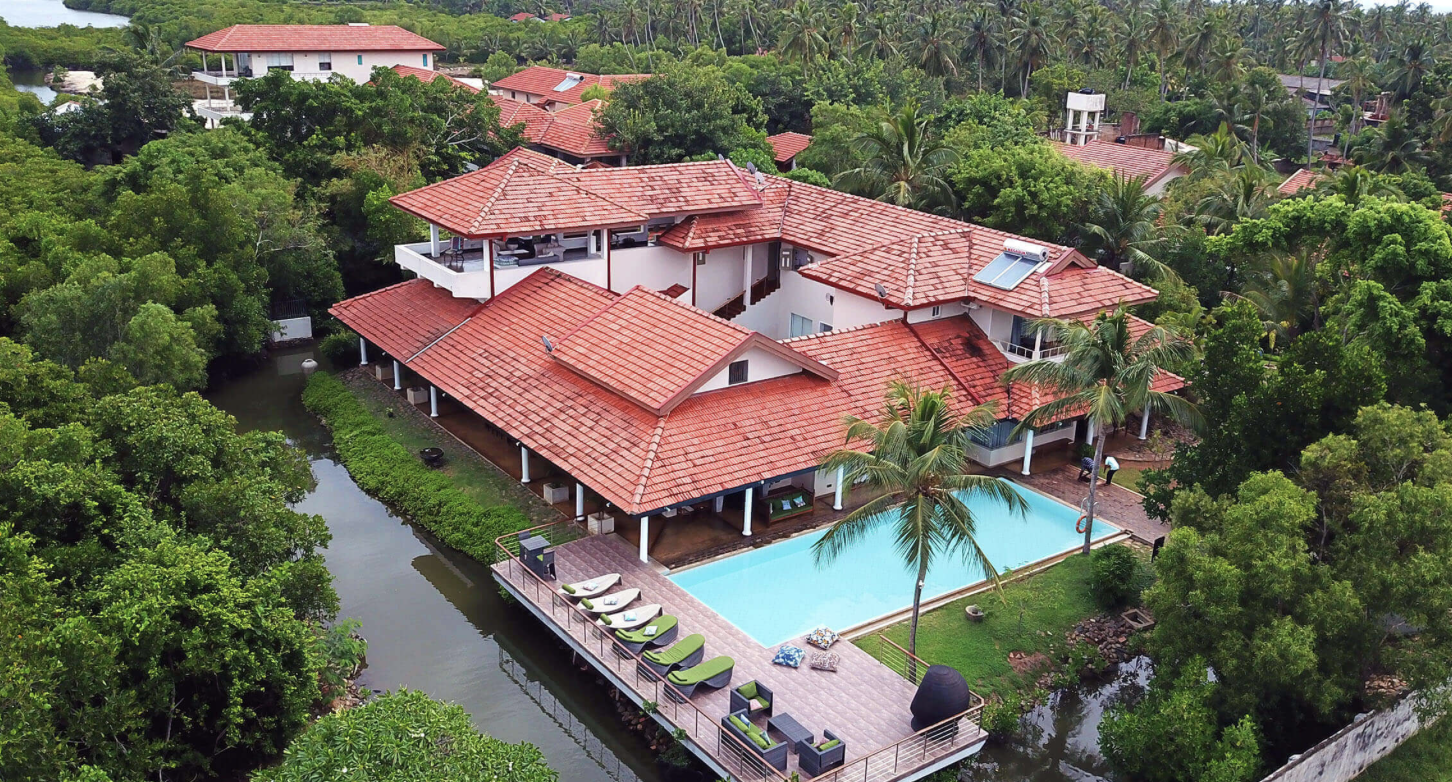
Negombo
1 night
Villa Hundira
Deluxe Room
-
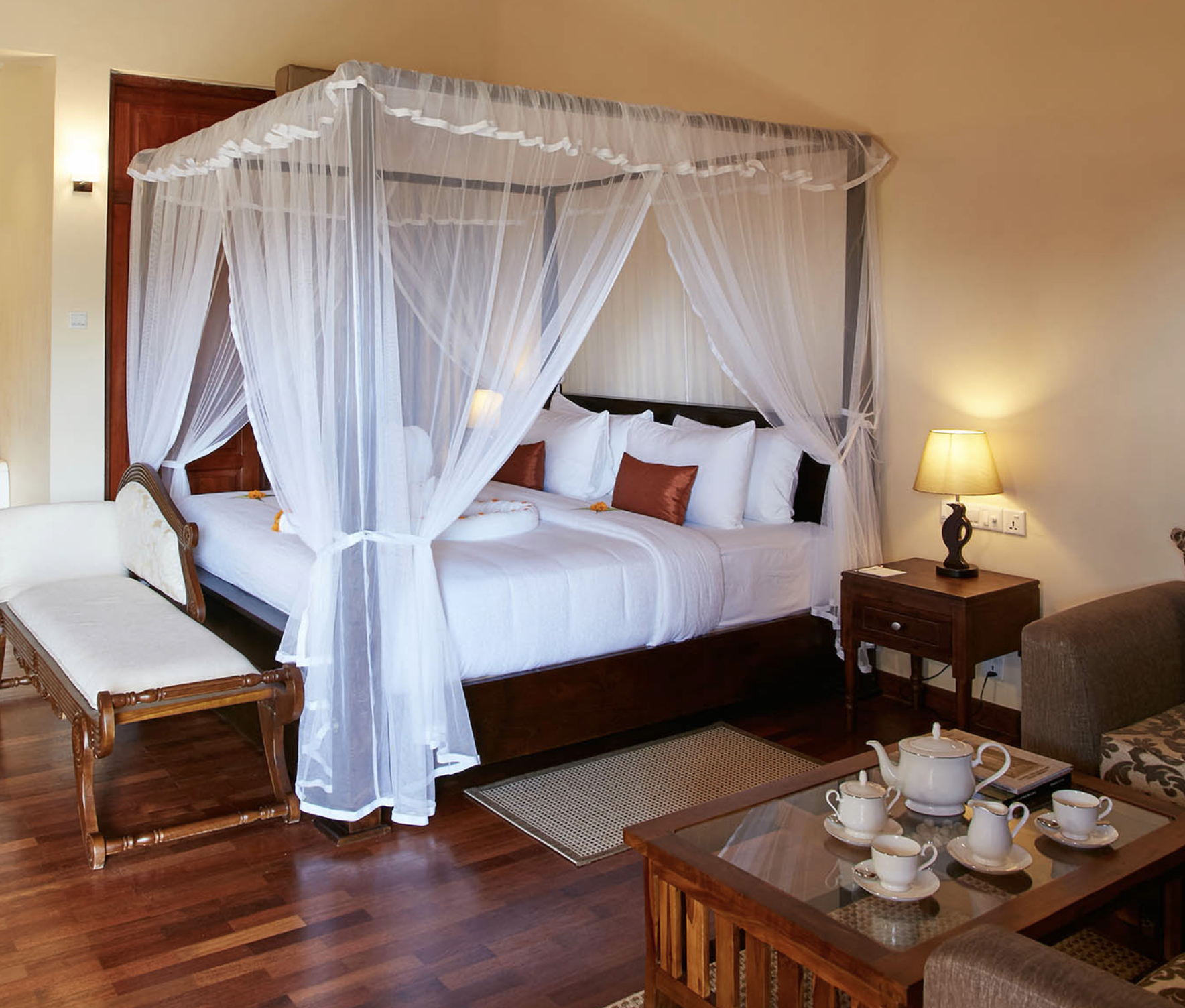
Sigiriya
1 night
Seerock King’s Domain
Deluxe Room
-
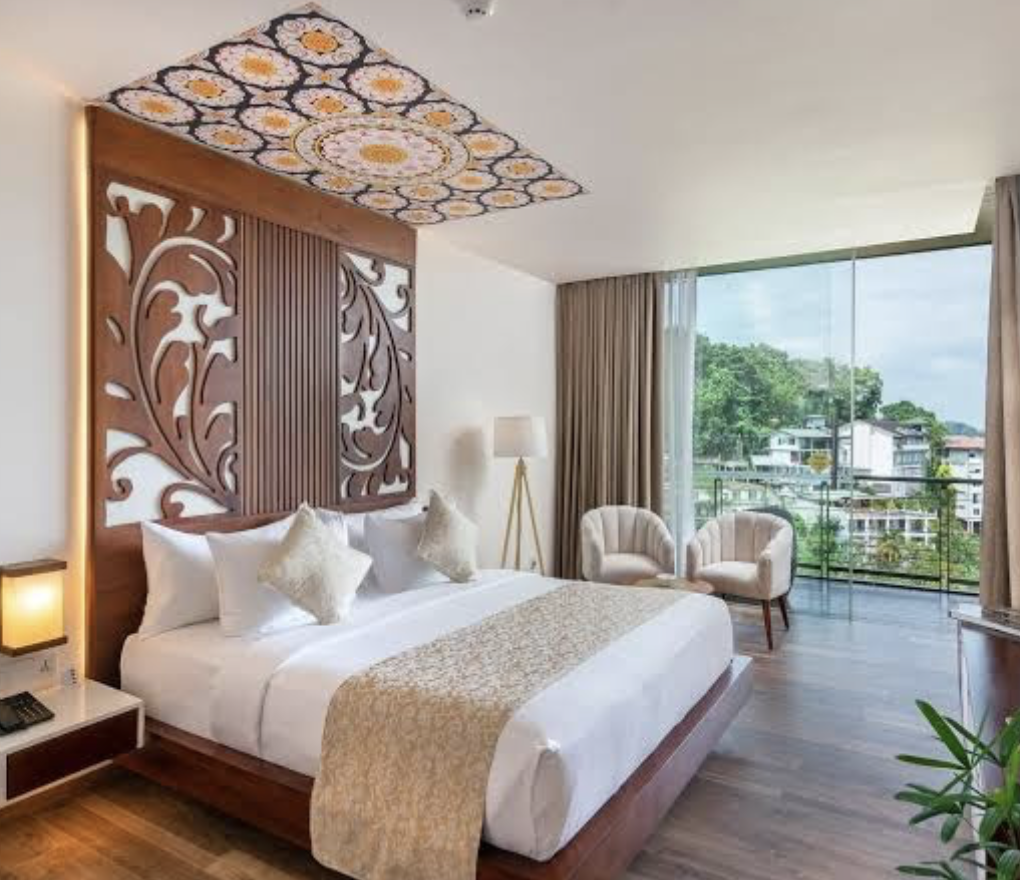
Kandy
2 nights
Grand Serendib
Deluxe Room
-
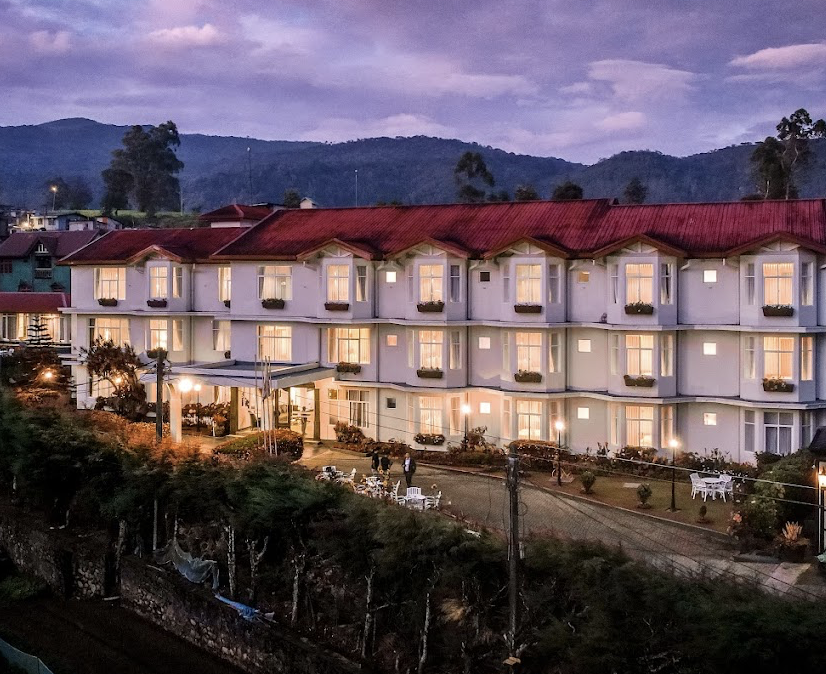
Nuwara Eliya
2 nights
Galway Heights
Deluxe Room
-
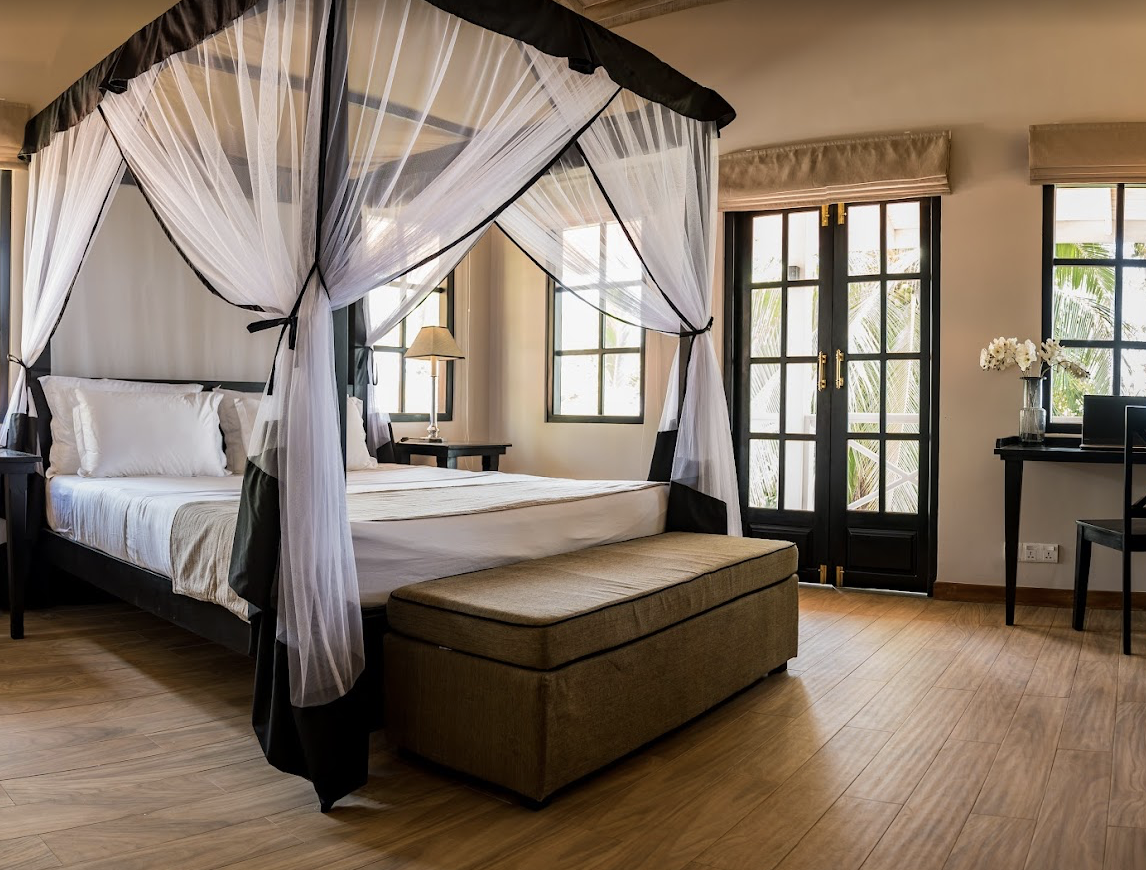
Habaraduwa
3 Nights
Tabula Rasa Resort
Deluxe Villa